80 Park Ave STE 1C, New York, NY 10016


The Six-Month Rule Most People Grow Up Hearing
“See your dentist every six months.”
It is one of the most common health recommendations in the United States, but many people still wonder if that schedule is actually necessary for everyone. If your teeth feel fine and you brush every day, do you still need two dental visits a year?
The truth is that dental checkups are not one-size-fits-all. While six-month visits remain the standard recommendation for many patients, dentists now take a more personalized approach based on your oral health, lifestyle, and risk factors.
Why Regular Dental Checkups Matter
Dental problems do not always come with warning signs. Cavities can form quietly, gum disease may develop without pain, and enamel wear often happens gradually over time.
Routine checkups help dentists identify these issues early, before they become more difficult to treat. Preventive visits also include professional cleanings that remove tartar buildup that cannot be cleaned away with brushing alone.
For many people, staying consistent with preventive care helps avoid future discomfort, unexpected dental work, and long recovery times.
Why Dentists Commonly Recommend Visits Every Six Months
The six-month schedule works well because it gives dentists enough time to monitor changes in your oral health without long gaps between visits.
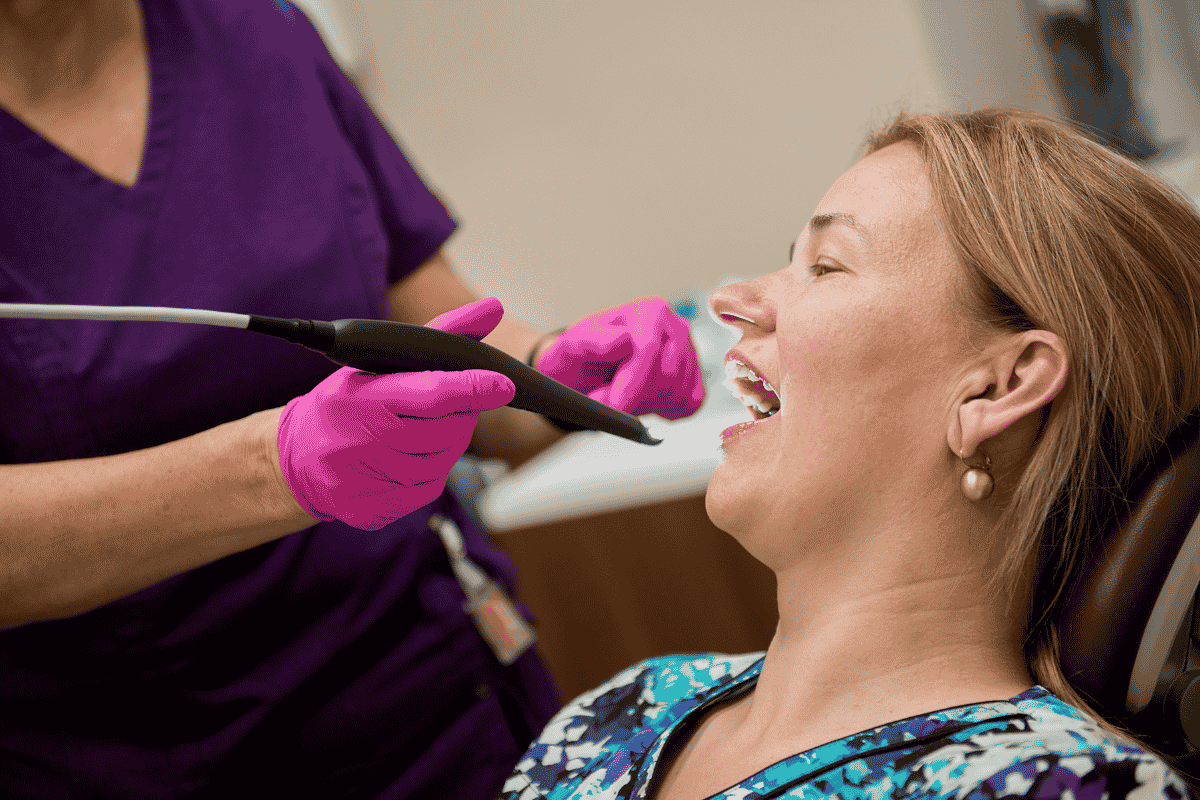
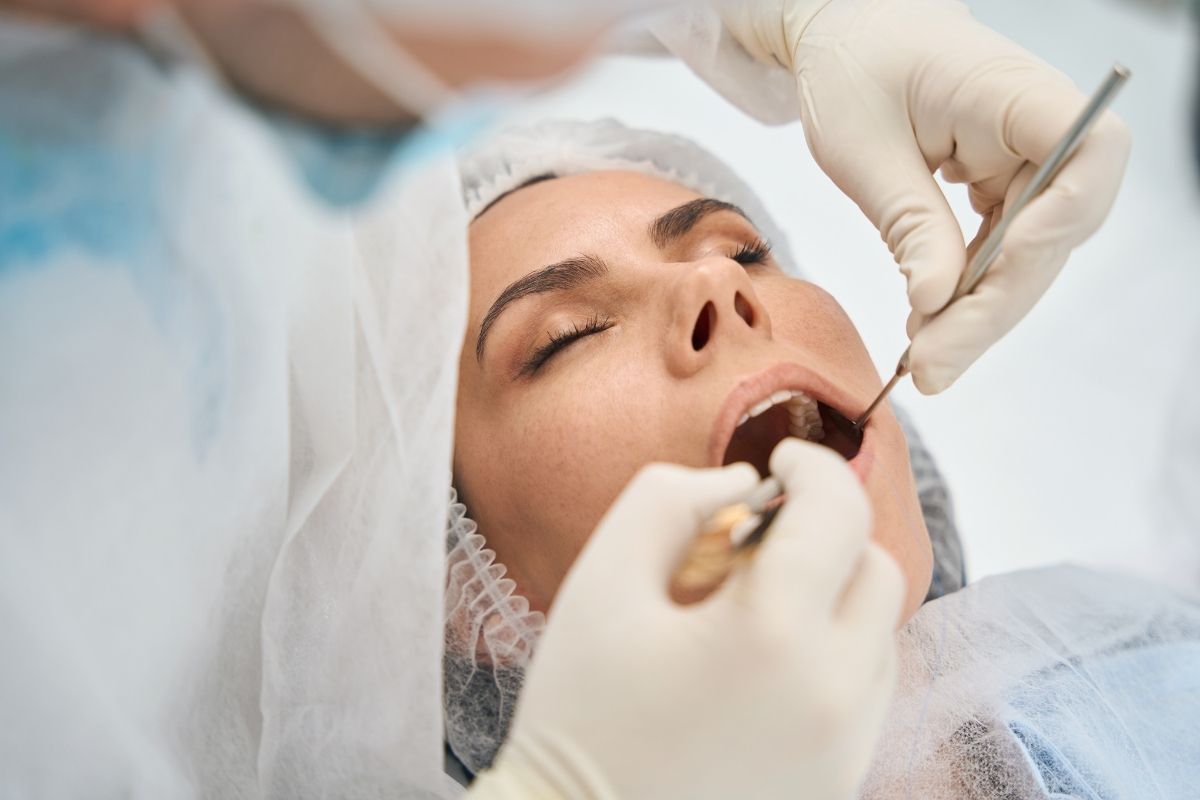
During a routine appointment, your dentist may:
- Examine your teeth for decay
- Check your gums for signs of inflammation
- Look for bite or jaw concerns
- Remove plaque and tartar buildup
- Take digital X-rays if needed
- Discuss hygiene habits and oral health goals
These appointments also create a chance to address small concerns before they turn into larger problems.
Some Patients Need More Frequent Dental Visits
Not everyone has the same level of dental risk. Some people benefit from more frequent exams and cleanings to keep their oral health stable.
Dentists may recommend visits every three or four months if you:
- Have gum disease
- Frequently develop cavities
- Smoke or use tobacco
- Have diabetes
- Wear braces or aligners
- Experience chronic dry mouth
- Have a history of dental infections
More frequent visits allow dentists to closely monitor changes and provide earlier treatment when needed.
Can Some People Wait Longer Than Six Months?
Yes, in certain cases.
Patients with strong oral hygiene habits and a long history of healthy dental exams may not always need cleanings every six months. Some dentists may suggest slightly longer intervals between visits based on low-risk factors.
However, that decision should always come from a professional evaluation rather than self-diagnosis. Skipping routine care for too long can allow hidden problems to progress unnoticed.
What Happens If You Wait Until Something Hurts?
Many dental conditions become painful only after they have advanced. A cavity may not hurt until it reaches the inner layers of the tooth. Gum disease can quietly damage tissue long before symptoms become obvious.
That is why preventive visits matter even when your mouth feels normal.
Patients who stay consistent with checkups often avoid more complicated treatments later. Many also gain valuable guidance about brushing techniques, dietary habits, and when to seek professional dental care between appointments.
How Dentists Decide the Right Schedule for You
Your ideal checkup frequency depends on several factors, including:
- Your current oral health
- Past dental history
- Age and lifestyle habits
- Medical conditions
- Risk for gum disease or decay
A dentist evaluates all of these factors before recommending a schedule tailored to your needs rather than following a universal rule.
For many busy adults in New York, personalized preventive care can make dental health easier to manage over the long term.
Stay Ahead of Dental Problems Before They Start
Preventive dental visits are about more than clean teeth. They help protect your overall oral health, catch problems early, and keep small issues from becoming major concerns.
If it has been a while since your last exam, the team at 80 Park Avenue Dental in New York is here to help you take the next step toward a healthier smile. Schedule an appointment and stay proactive about your dental care.
Frequently Asked Questions
Do all adults need dental checkups every six months?
Not always. Some patients may need more frequent visits, while others may safely wait longer, depending on their oral health.
What if I brush and floss every day?
Daily hygiene is important, but professional cleanings remove tartar and help detect issues that are difficult to notice at home.
Are dental checkups still important without pain?
Yes. Many dental problems develop silently and may not cause discomfort until they become more serious.
How long does a routine dental checkup usually take?
Most appointments take between 45 minutes and one hour, depending on whether X-rays or additional evaluations are needed.