80 Park Ave STE 1C, New York, NY 10016

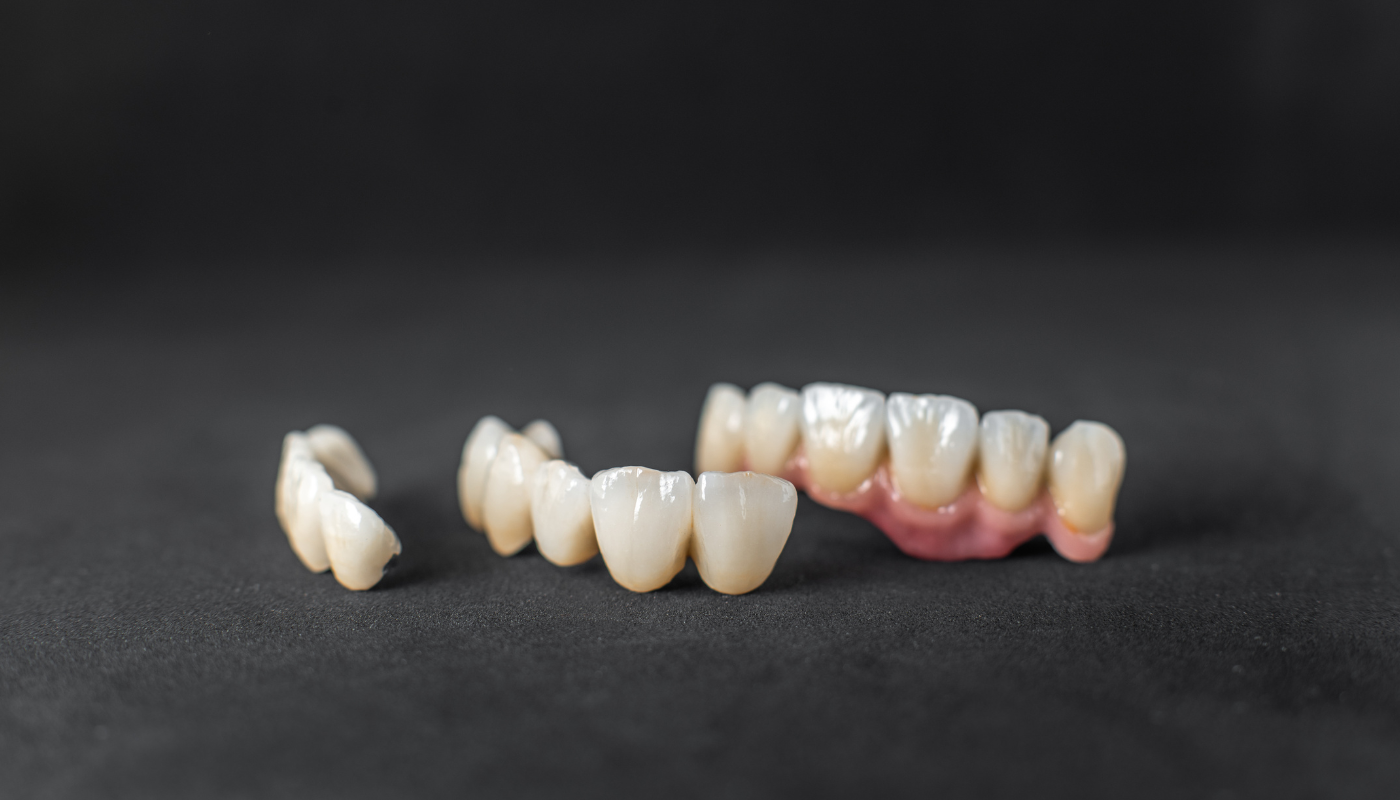
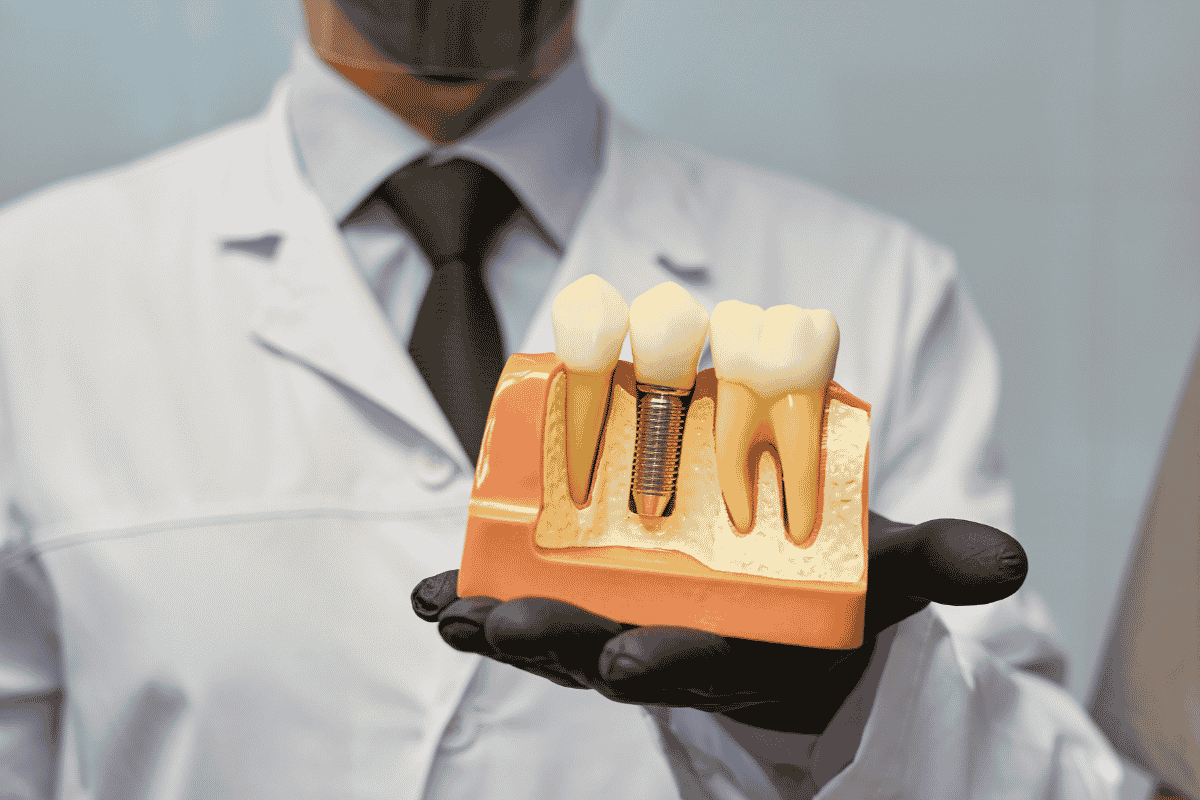
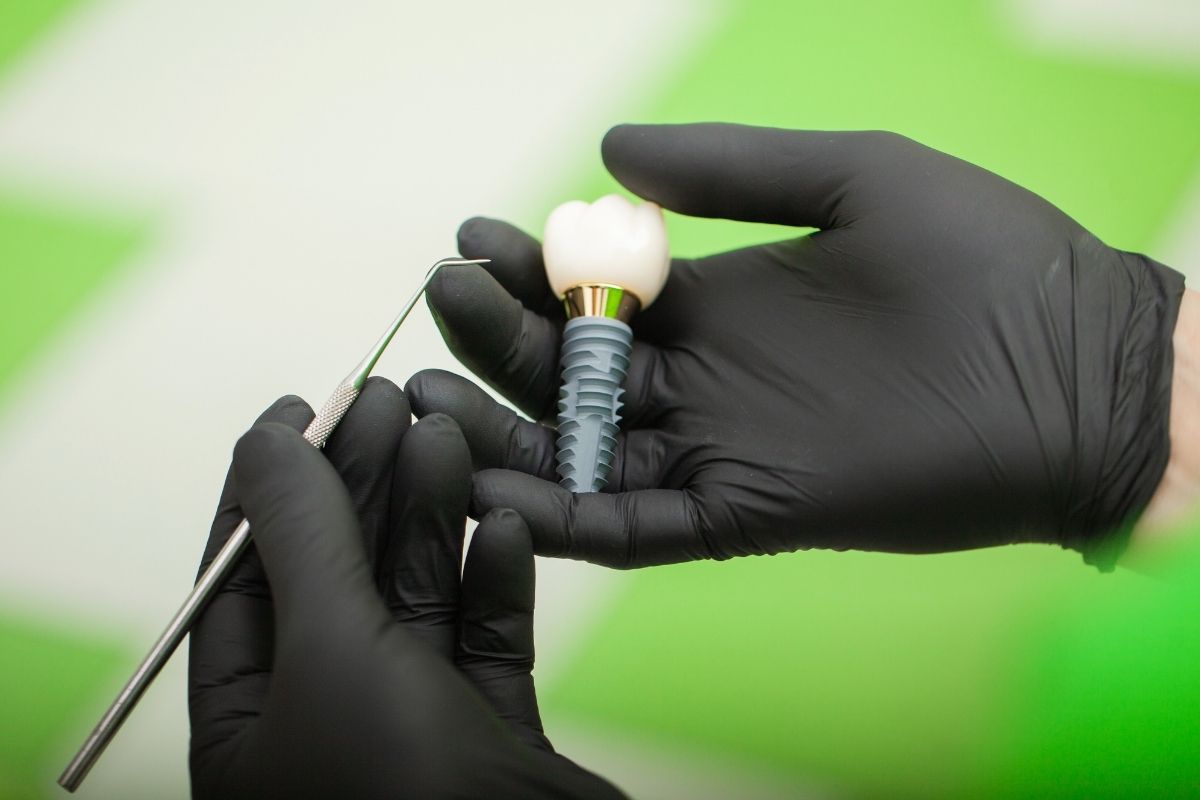
Dental implants are designed to be a long-term solution for missing teeth, but their lifespan depends heavily on how well they are maintained. The implant post itself is extremely durable, yet the surrounding gum tissue and bone still require daily care and professional monitoring.
One of the biggest risks to implant health is peri-implantitis, a bacterial infection that affects the tissue around the implant and may lead to bone loss if left untreated. Good oral hygiene and healthy habits can help protect your smile and keep your restoration stable for years.
Daily Cleaning Habits That Protect Your Implants
Brush Gently Every Day
Brush twice daily with a soft-bristled toothbrush to remove plaque and bacteria without irritating the gums. Gentle cleaning around the implant area helps maintain healthy tissue and reduces inflammation.
Choose a Nonabrasive Toothpaste
Certain toothpaste formulas can scratch the surface of restorations over time. Low abrasive products are often recommended because they clean effectively while remaining gentle on implant materials.
Floss the Right Way
Flossing around implants requires extra care. Many patients benefit from floss threaders or super floss designed to clean beneath the gumline safely. Wrapping the floss carefully around the implant area can help remove trapped debris without damaging the tissue.
Patients with implant-supported teeth often find that specialized flossing tools improve comfort and make cleaning easier.
Clean Tight Spaces Thoroughly
Plaque can collect in narrow areas around implants and neighboring teeth. Nylon-coated interdental brushes are useful for cleaning spots that standard brushing may miss.
Use a Water Flosser
A water flosser on a low or medium setting can help flush away food particles and bacteria around the gums. It also provides additional cleaning support for hard-to-reach areas.
Rinse With an Antimicrobial Mouthwash
Alcohol free antimicrobial mouthwash may help reduce bacteria and support healthier gums. Daily rinsing can be especially helpful for maintaining fresh breath and reducing plaque buildup.
Lifestyle Habits That Help Implants Last Longer
Avoid Tobacco Products
Smoking restricts blood flow to the gums and may interfere with healing. Tobacco use is strongly associated with a higher risk of implant complications and tissue inflammation.
Protect Against Teeth Grinding
Grinding or clenching can place excessive pressure on implants and surrounding teeth. If grinding occurs during sleep, a custom night guard may help protect your restoration from unnecessary stress.
Stay Away From Extremely Hard Foods
Chewing ice, hard candy, or unpopped popcorn kernels may damage restorations or create pressure on the implant structure over time.
Do Not Use Teeth as Tools
Opening packages or tearing tags with your teeth may weaken restorations and increase the risk of damage.
Stay Hydrated
Drinking enough water supports saliva production, which naturally helps wash away bacteria and food particles throughout the day.
Professional Care Still Matters
Home care is essential, but professional maintenance plays an equally important role in long-term implant success.
Schedule Routine Dental Cleanings
Professional cleanings every few months help remove hardened plaque that cannot be cleaned at home. Your dentist can also monitor the condition of the surrounding gums and tissue during these visits.
Get Regular Diagnostic Exams
Periodic X-rays allow your provider to evaluate bone support around the implant and identify early signs of complications before they become more serious.
Monitor Bite Alignment
Uneven pressure from bite misalignment may place stress on implants over time. Regular evaluations help ensure the restoration remains stable and comfortable.
Patients in New York who stay consistent with preventive care often experience better long-term implant stability and oral health outcomes.
Caring for your implants is only one part of maintaining a healthy smile. If you would like to learn more about the treatment process, benefits, and long-term expectations, explore our complete guide to dental implants.
Protect Your Smile for the Future
Dental implants an remain strong and functional for many years with the right daily habits and professional care. Paying attention to small changes such as looseness, bleeding, or discomfort may also help prevent more serious complications.
If you want guidance on maintaining a healthy smile, the team at 80 Park Avenue Dental proudly serves patients throughout New York with personalized dental care. Ready to protect your smile for the long run? Contact the office today to schedule an appointment.
Frequently Asked Questions
How often should I clean around dental implants?
You should brush and floss around implants every day to prevent plaque buildup and support healthy gums.
Can smoking affect dental implants?
Yes. Smoking may slow healing and increase the risk of gum inflammation and implant complications.
Are water flossers safe for implants?
Yes. Water flossers are commonly recommended because they help clean around implants gently and effectively.
What should I do if my implant feels loose?
Contact your dentist as soon as possible if you notice looseness, pain, or bleeding around the implant area.