80 Park Ave STE 1C, New York, NY 10016

Tooth pain has a way of interrupting daily life. What often starts as mild sensitivity can turn into deep discomfort that affects eating, sleeping, and focus. Many patients put off treatment because they assume the solution will be complicated or painful. In reality, timely care can stop dental problems from spreading and help you keep your natural smile for years to come.
When the inner part of a tooth becomes infected, the issue rarely stays contained. Bacteria move quickly, and without proper treatment, damage can spread to surrounding teeth and gums. Addressing the problem early protects more than just one tooth. It helps preserve overall oral health and prevents a chain reaction of complications.
By the time pain becomes persistent, Root canal treatment is often the option that stops the infection at its source while allowing the tooth to stay in place and continue functioning normally.
Why Tooth Infections Do Not Heal on Their Own
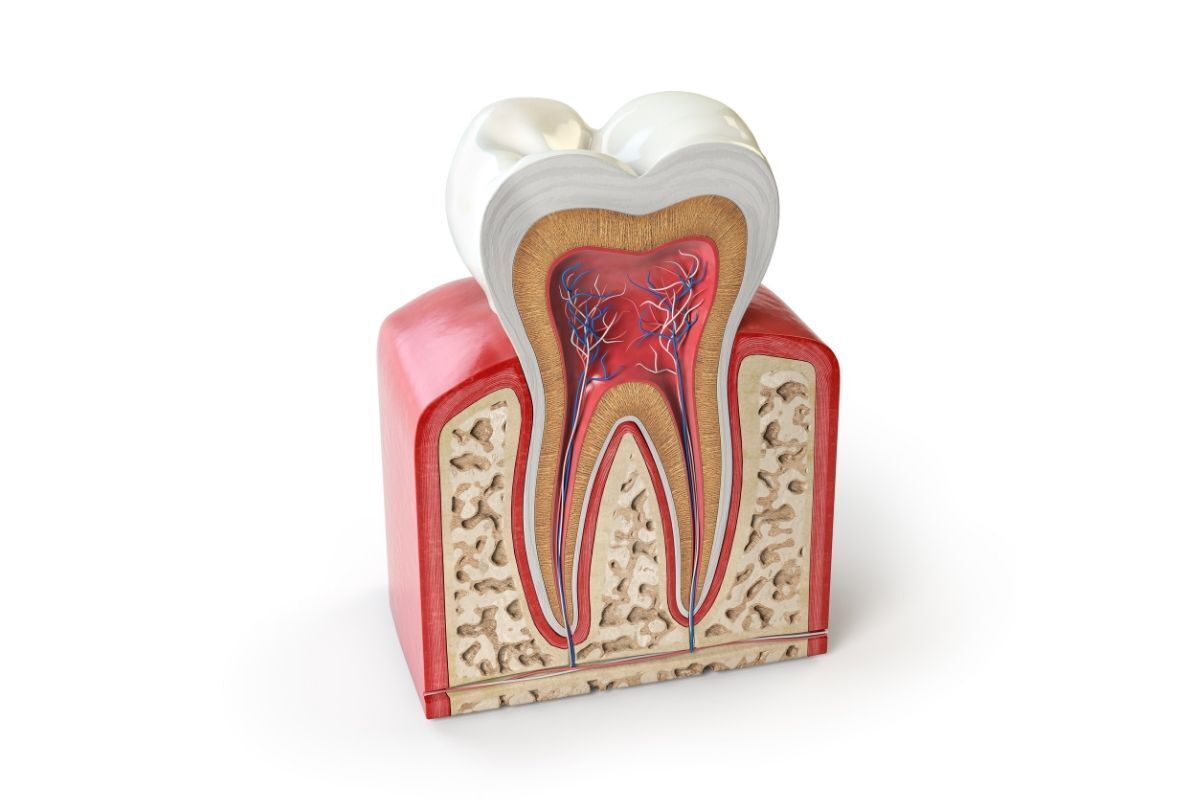
What Happens Inside an Infected Tooth
Once bacteria reach the pulp, the soft tissue inside the tooth, the body cannot clear the infection on its own. The pulp sits in a sealed space with limited blood flow. This makes it nearly impossible for natural defenses to eliminate bacteria.
As pressure builds, patients may notice throbbing pain, swelling, or sensitivity to heat. Ignoring these signs allows the infection to worsen and spread beyond the tooth.
How Delay Leads to Bigger Problems
Untreated infections can travel into the jawbone or nearby teeth. This increases the risk of bone loss and the need for more extensive dental procedures later. What could have been a focused treatment often becomes a much larger issue that affects long-term oral stability.
How This Treatment Protects Your Overall Oral Health
Stopping the Spread of Bacteria
By removing infected tissue and sealing the tooth, this procedure prevents bacteria from reaching neighboring teeth. This containment plays a key role in maintaining balance in the mouth and avoiding repeat infections.
Preserving Your Natural Bite
Saving a natural tooth supports proper chewing and alignment. When a tooth is lost, the surrounding teeth can shift, affecting how the bite comes together. Keeping the tooth in place helps maintain comfort and function.
Reducing the Risk of Future Procedures
When infections are addressed early, patients often avoid extractions and more complex restorative work. Treating the issue promptly usually leads to a smoother recovery and fewer appointments.
Long-term Benefits Patients Often Notice
• Relief from persistent pain and pressure
• Improved ability to chew comfortably
• Lower risk of jawbone damage
• Better protection for surrounding teeth
• Increased confidence knowing the infection is resolved
These benefits extend beyond comfort. They contribute to overall oral stability and help patients avoid repeated dental visits for the same issue.
What the Recovery Process Looks Like
Most patients are surprised by how manageable recovery feels. Mild tenderness may occur for a short time, but it typically fades quickly. Once healing begins, the treated tooth functions like any other, allowing patients to return to normal routines without ongoing discomfort.
Consistent brushing, flossing, and regular dental visits support long-term success. With proper care, the treated tooth can last just as long as any healthy tooth.
Protect Your Smile in New York
If tooth pain or sensitivity has been lingering, it may be time to act before the problem grows. At 80 Park Avenue Dental, our team focuses on solutions that protect your natural teeth and long-term comfort. Visit our dental clinic in New York to get answers, relief, and a plan that fits your needs. Your smile deserves care that prevents bigger problems down the road.
Quick Questions Patients Often Ask
Will the tooth feel different afterward?
Once restored, most patients do not notice any difference in daily use.
Is it better to remove the tooth instead?
Keeping a natural tooth usually supports better oral function and alignment.
Can an infection come back?
With proper care and follow-up, recurrence is uncommon.
How long does the procedure usually take?
Most treatments are completed in one visit, though some cases may need a follow-up depending on the condition of the tooth.