80 Park Ave STE 1C, New York, NY 10016

Sleep apnea is a serious condition that affects many people, often without them realizing it. If you’re one of the millions who struggle with this issue, the risks go far beyond just a poor night’s rest. It can lead to serious health issues, including high blood pressure, heart disease, and even stroke. For New Yorkers with busy lives, this sleeping disorder is an added stressor. Whether it’s a peaceful walk in Central Park or enjoying seafood at a local eatery, quality sleep is essential for health. However, ignoring it can have severe consequences on your health. The city’s vibrant culture and constant hustle can disrupt sleep, but addressing this is vital for health. In this blog, find out how sleep apnea treatment can prevent many health risks.
What Is Sleep Apnea and How Does It Affect Your Health?
This sleeping issue is a disorder where your breathing stops and starts repeatedly during sleep. These interruptions can last from a few seconds to minutes, depriving your body of the oxygen it needs. The most common type is obstructive sleep apnea (OSA), which occurs when the muscles at the back of your throat relax excessively, blocking the airways.
Health Risks of Untreated Sleep Apnea
Living with untreated problems can seriously impact your overall health. Here are some key risks associated with the condition:
- High Blood Pressure: Interrupted breathing can cause fluctuations in blood pressure, increasing your risk of developing hypertension.
- Heart Disease: The lack of oxygen caused by this issue can strain the heart, leading to arrhythmias, heart failure, or even heart attacks.
- Stroke: Studies have shown that untreated sleep-disordered breathing can increase the risk of stroke, especially in individuals with high blood pressure.
- Type 2 Diabetes: There is a strong connection between this problem and insulin resistance, a key factor in developing type 2 diabetes.
- Depression and Anxiety: Poor sleep quality can lead to mood swings, anxiety, and depression due to the lack of restorative sleep.
Sleep Apnea Symptoms You Shouldn’t Ignore
While the symptoms of this issue may seem subtle, it’s important not to ignore them. Many people dismiss their symptoms, attributing them to stress or lifestyle. Here’s what to watch for:
- Excessive Snoring: Loud, chronic snoring, especially if punctuated by silence or choking sounds, is a classic sign.
- Morning Headaches: Waking up with headaches is a common symptom, caused by lower oxygen levels during sleep.
- Fatigue and Drowsiness: If you’re constantly tired during the day, no matter how long you sleep, it could be sleep-disordered breathing.
- Difficulty Concentrating: Sleep deprivation from interruptions in your sleep cycle can lead to brain fog and difficulty focusing.
- Irritability: Poor sleep can make you more prone to mood swings and irritability.
How to Know If You Have Sleep Apnea?
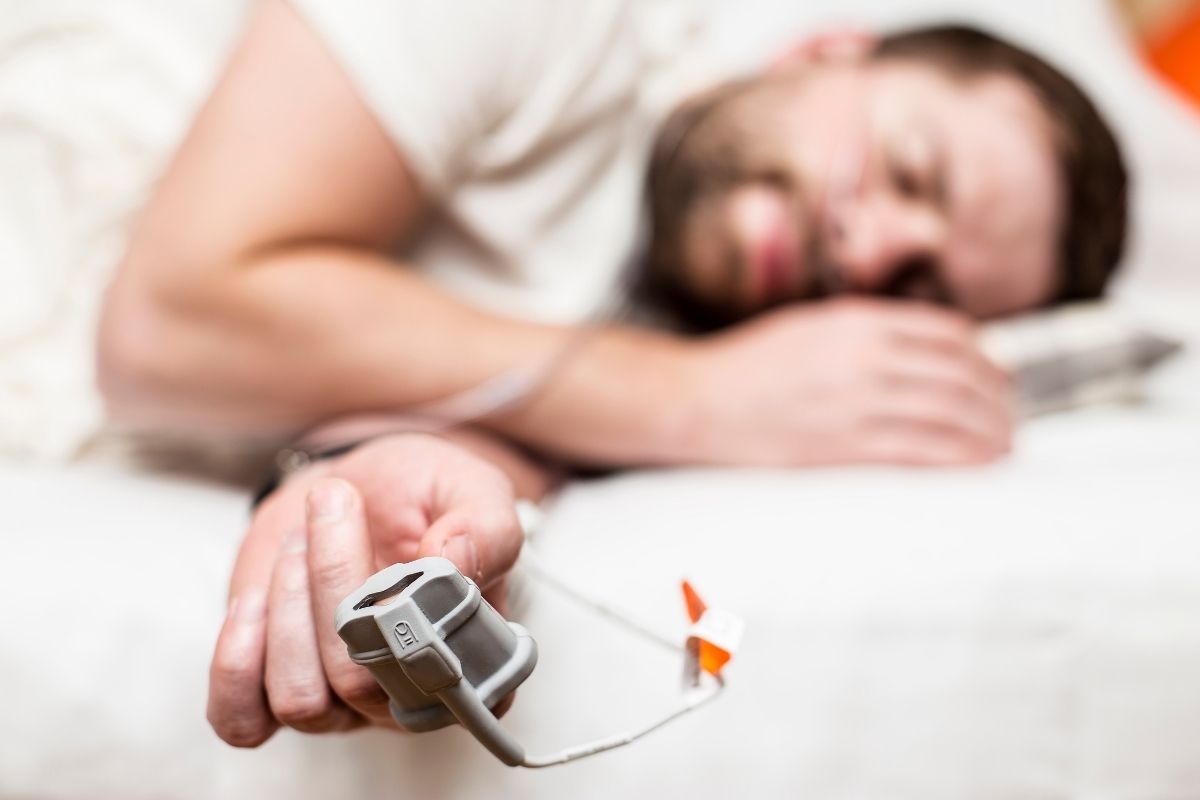
If you’re noticing these symptoms, it’s essential to get a diagnosis. You may need to undergo a sleep study to monitor your breathing patterns while you sleep. But remember, seeing a healthcare provider is your first step.
Why You Shouldn’t Ignore Sleep Apnea?
The risk of not addressing sleep breathing disorders is not just about poor sleep. It’s about the long-term damage that can occur if the condition goes untreated. Here are some major consequences:
- Increased Risk of Serious Health Conditions: As mentioned, conditions like hypertension, heart disease, and stroke are more likely with untreated sleep-disordered breathing.
- Reduced Quality of Life: Chronic fatigue, irritability, and lack of focus can impact your job, relationships, and overall happiness.
- Worsened Existing Conditions: If you have diabetes, cardiovascular disease, or depression, this specific issue can make these conditions worse.
The good news is that with proper treatment for this, you can reduce or eliminate these risks and lead a healthier, more energetic life.
Effective Treatment Options for Sleep Apnea
While there is no cure for sleep breathing disorders, there are several treatment options available. Here’s how you can manage and reduce the impact of the disorder:
Continuous Positive Airway Pressure (CPAP)
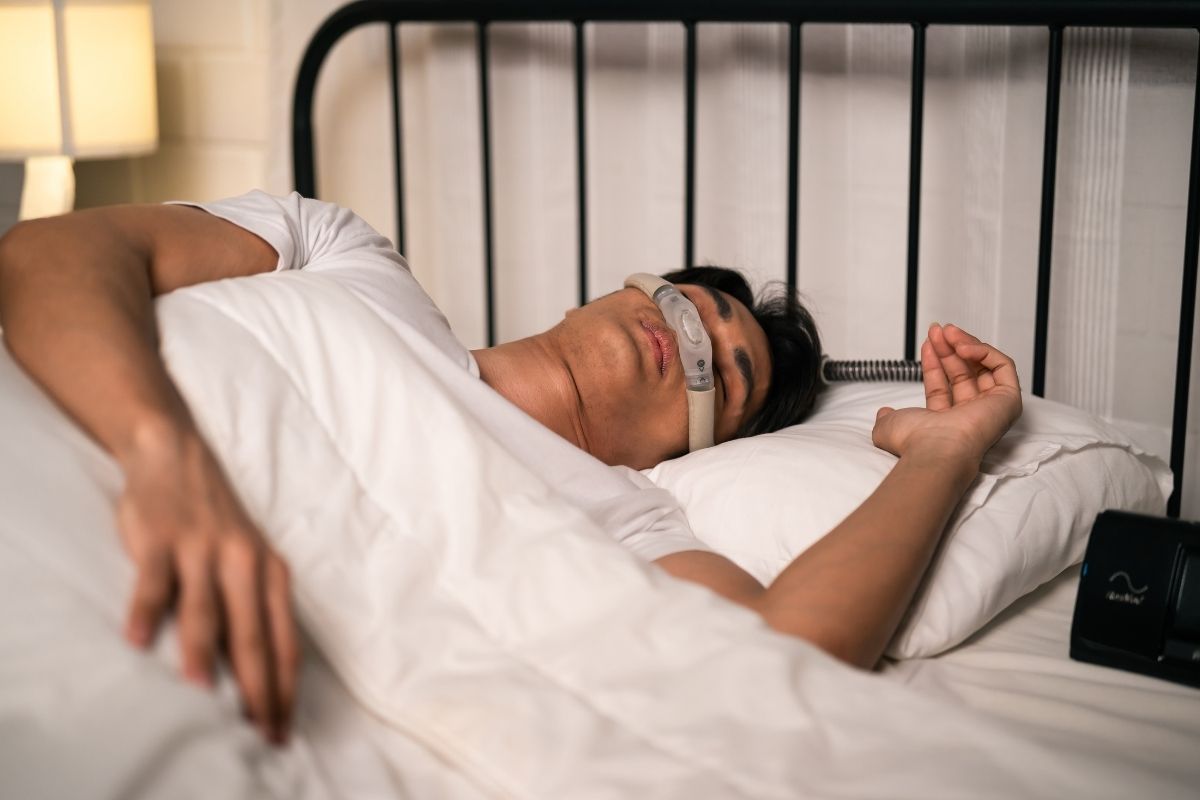
A CPAP machine is a common treatment for OSA syndrome. It works by providing a continuous flow of air through a mask that keeps your airways open while you sleep.
Oral Appliances
An oral appliance is a device that can be worn while you sleep to help reposition the jaw and prevent airway collapse. It’s an excellent option for mild to moderate sleep breathing disorders.
Lifestyle Changes
In some cases, making certain lifestyle changes can help manage sleep-disordered breathing. Losing weight, quitting smoking, reducing alcohol intake, and sleeping on your side can reduce the severity of the condition.
Start Your Journey to Better Sleep Today
The risks of sleep apnea are too significant to ignore. From heart disease to fatigue, untreated, this issue can have a profound impact on your health and quality of life. Visit our dental office in New York to explore treatment options that can help you breathe easily at night. Addressing this sleeping disorder early can prevent serious health complications, improve your overall well-being, and help you feel better during the day. Reach out today to schedule a consultation with us at 80 Park Avenue Dental.
Frequently Asked Questions
1. What are the signs that you have sleep apnea?
Sleep disordered breathing symptoms can be quite noticeable, including loud snoring, choking during sleep, feeling very tired, and having morning headaches. If you experience these regularly, it’s a good idea to seek a proper diagnosis so you can get the help you need.
2. Can OSA syndrome affect your heart health?
Yes, untreated sleep-disordered breathing can put extra stress on your heart, increasing the chances of high blood pressure, heart failure, and irregular heartbeats. Taking care of this issue can make a real difference for your heart’s health!
3. Is sleep apnea only caused by obesity?
While obesity is often a factor, it’s important to remember that sleep-disordered breathing can also affect people who aren’t overweight. Factors like age, genetics, and lifestyle choices also play a role in its development.
4. How is OSA syndrome diagnosed?
A sleep study is often used to diagnose this sleeping issue. It observes your sleep patterns and checks for any interruptions in your breathing, helping to understand your sleep better.
5. Can you treat sleep apnea on your own?
Making some lifestyle changes, like losing weight and adjusting your sleeping position, can be helpful. It’s really important to consult with a professional for ongoing management. Options like CPAP or oral appliances are there to support you on this journey.
6. Is OSA syndrome dangerous if left untreated?
Yes, if sleep-disordered breathing goes untreated, it can lead to some serious health issues like heart problems, stroke, and feeling more tired than usual. These issues can really impact your overall health and how good your life feels.