Losing a tooth might not seem urgent, especially if it sits in the back of your mouth. You may feel fine, chew on the other side, and move on. But your mouth does not work in isolation. Every tooth plays a role in balance, support, and overall health. When one goes missing, a chain reaction often follows.
Ignoring a gap can create problems that go far beyond appearance. It can affect how you chew, speak, and even how your jaw functions. Understanding what happens after tooth loss helps you make informed decisions about your long-term health.
Your Teeth Shift More Than You Think
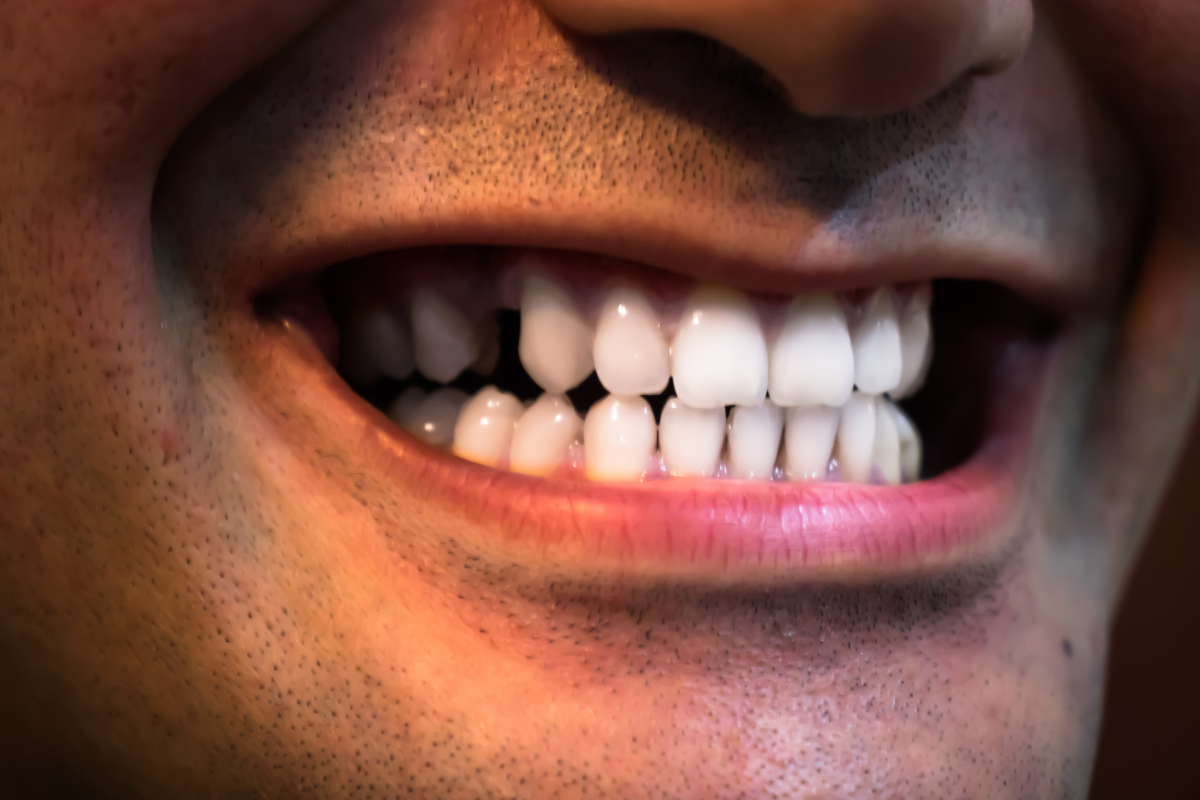
Teeth rely on each other for stability. When one is missing, the surrounding teeth begin to drift into the empty space. This movement changes your bite pattern and can make cleaning harder.
Over time, shifting teeth may lead to:
- Uneven wear on enamel
- Food trapping between teeth
- Higher risk of cavities and gum irritation
- Changes in jaw alignment
Even a single missing tooth can gradually alter your entire bite.
Bone Loss Starts Quietly
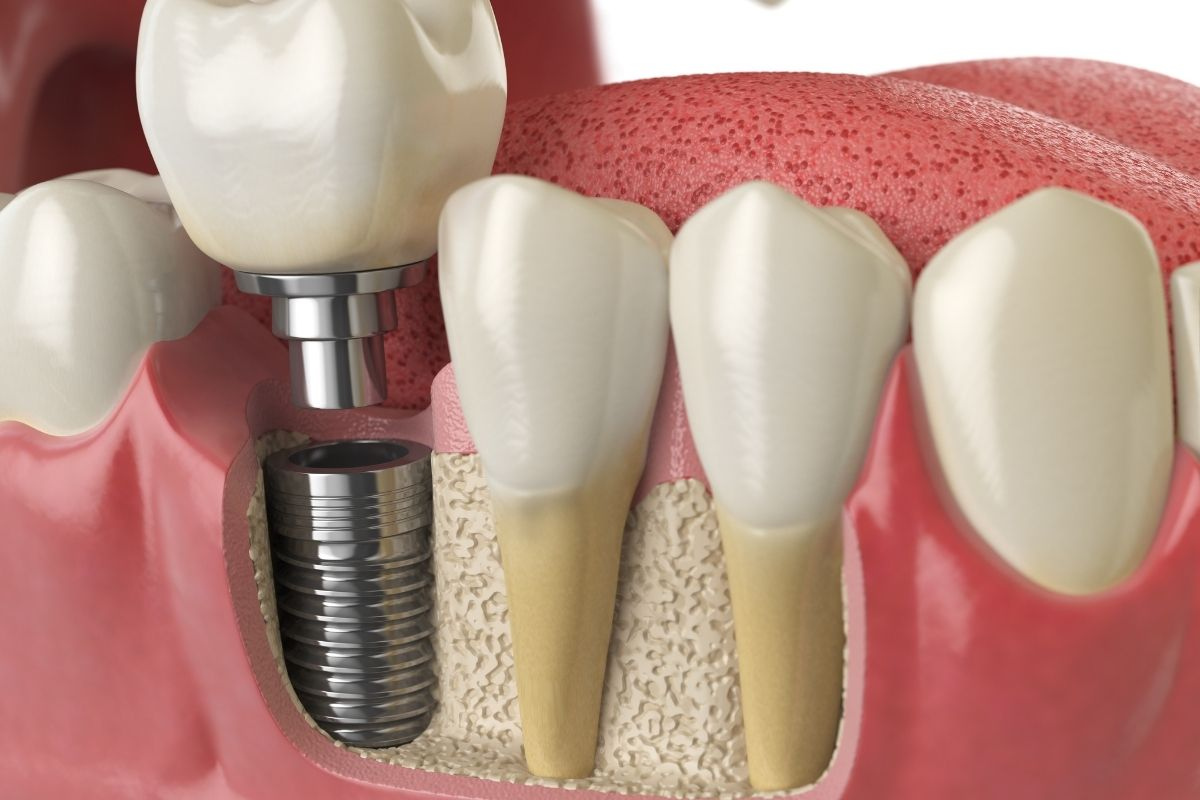
Your jawbone stays strong because it receives stimulation when you chew. Once a tooth is gone, that stimulation decreases in the area where the root used to sit. The bone in that spot begins to shrink.
Bone loss does not happen overnight, but it is progressive. As the jaw changes shape, it can affect nearby teeth and even your facial structure. Many patients notice a sunken look around the mouth years after losing teeth.
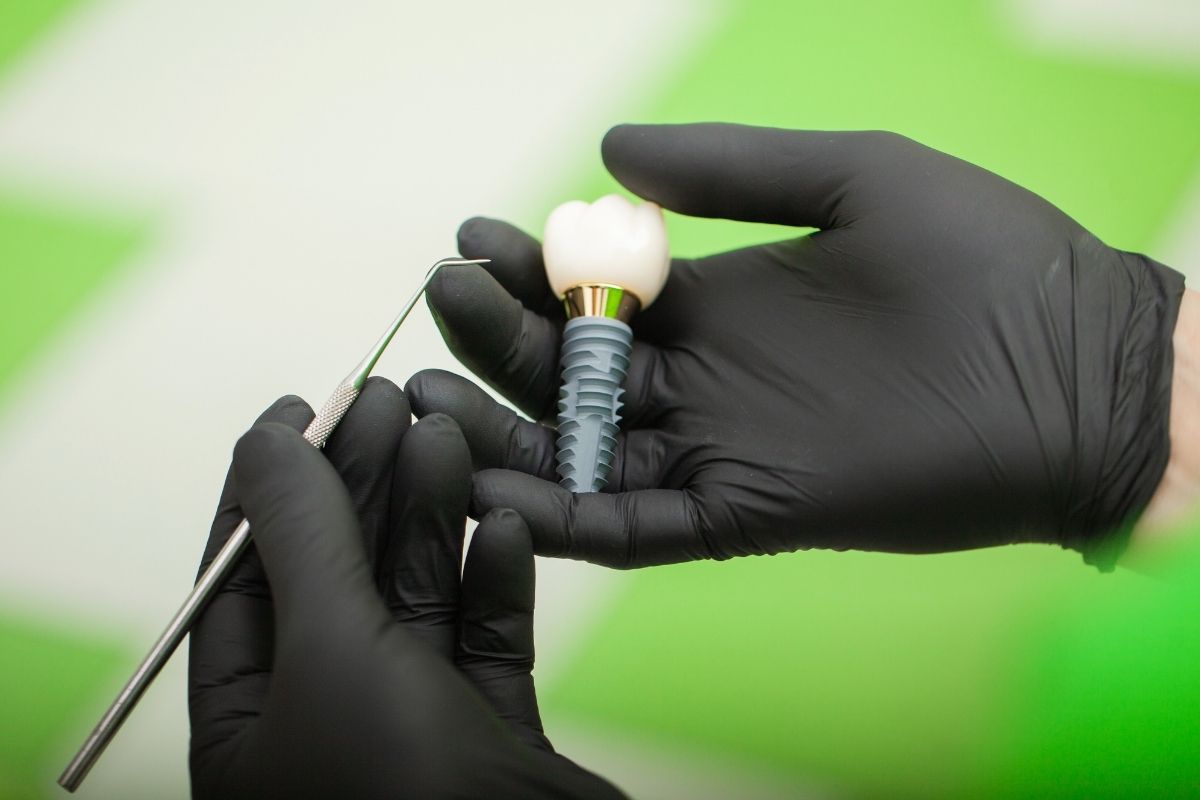
Replacing missing teeth early helps maintain bone support. For many adults, dental implants offer a solution that mimics the natural tooth root and helps preserve jaw strength.
Everyday Functions Become Harder
Chewing seems simple until it becomes uncomfortable. When teeth are missing, you may avoid certain foods without realizing it. Crunchy vegetables, steak, or nuts might feel difficult to manage. Over time, this can limit your diet and affect nutrition.
Speech can also change. Teeth help shape certain sounds. Gaps in the front of the mouth may cause subtle changes in pronunciation that can impact confidence in social or professional settings.
Small adjustments in daily habits often point to a larger issue.
Your Remaining Teeth Work Overtime
When you lose one tooth, the others compensate. They absorb more pressure during chewing. This extra workload can lead to:
- Faster enamel wear
- Increased sensitivity
- Greater risk of cracks
- Jaw discomfort
The jaw joint may also feel strained if your bite becomes uneven. What started as one missing tooth can eventually involve multiple areas of your mouth.
Gum Health Can Decline
Open spaces are harder to clean. Food and plaque collect more easily around gaps. That buildup can irritate the gums and increase the risk of infection.
Healthy gums support every tooth in your mouth. When inflammation sets in, it can spread beyond the initial site. Addressing tooth loss helps protect both your smile and your overall oral health.
The Emotional Impact Is Real
Tooth loss is not just physical. Many people feel self-conscious when they smile or laugh. Some avoid photos or cover their mouth when speaking. Over time, these habits can affect confidence and social interactions.
Restoring your smile often improves more than appearance. Patients frequently report feeling more at ease in conversations and more willing to engage socially after replacing missing teeth.
Why Acting Early Matters
Waiting can limit your treatment options. As bones and teeth shift, solutions may become more complex. Acting early helps maintain structure, function, and comfort.
If you have lost a tooth or feel concerned about a gap, it is worth having a conversation with a trusted dental professional. Early evaluation can prevent long-term complications and help you understand your options clearly.
Take the First Step Toward a Stronger Smile with 80 Park Avenue Dental
Missing teeth can lead to bigger problems, but you do not have to manage them alone. The team at 80 Park Avenue Dental focuses on practical, personalized solutions that protect your long-term oral health. We take time to explain what is happening and guide you toward choices that fit your needs.
If you are noticing shifting teeth, discomfort, or changes in your bite, now is the time to act. Visit our dental clinic in New York and let us help you protect your smile for years to come.