80 Park Ave STE 1C, New York, NY 10016

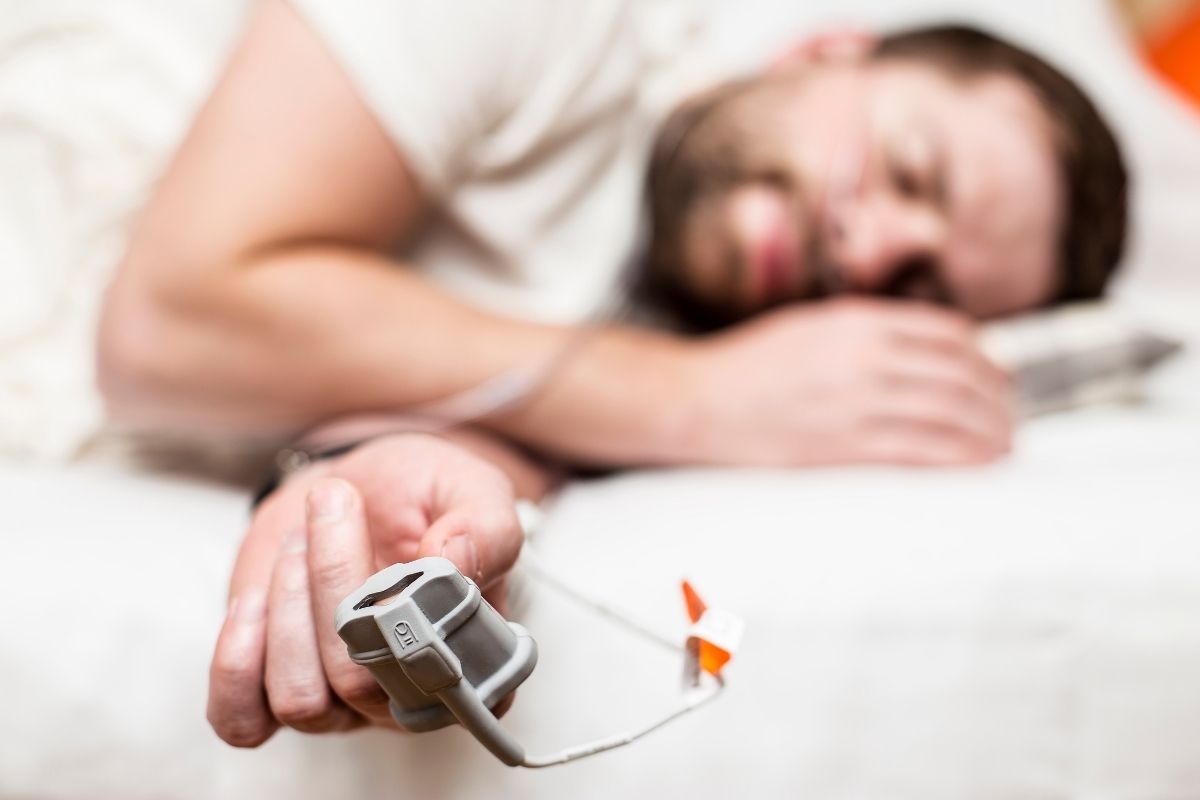
You wake up tired. Again.
You blame the noise outside, the late nights, the pressure of living and working in one of the world’s most demanding cities. But what if exhaustion isn’t the problem and it’s the symptom? What if every night, while you sleep, your body is quietly fighting for air and your heart is quietly paying the price?
Most New Yorkers with sleep apnea have no idea they have it. And many who don’t realize the damage already unfolding, not just to their sleep, but to their cardiovascular health. This blog unpacks what’s really happening while you rest, and why acting sooner rather than later could be one of the most important decisions you make for your heart.
Could Snoring Be Your Heart’s Distress Signal?
Snoring is often dismissed as a nuisance. But clinically, it can be one of the earliest indicators of a cardiovascular problem in the making.
Obstructive sleep apnea (OSA) causes the airway to partially or fully collapse during sleep. Each time this happens, oxygen levels drop, and the brain triggers a brief arousal to restore breathing. This often happens at night, without the sleeper ever fully waking or remembering a single episode.
What the body does remember is the aftermath:
- Stress hormone surge: Every apnea event floods the system with cortisol and adrenaline.
- Blood pressure spikes: The cardiovascular system is repeatedly jolted into a stress response throughout the night.
- Cumulative strain: Over weeks, months, and years, this places a significant burden on the heart.
Pursuing sleep apnea treatment early interrupts this cycle before it progresses into something far more difficult to reverse.
What Is Your Heart Actually Experiencing Each Night?
During an usual OSA occurrence, your blood oxygen levels can drop sharply, from a healthy 98% down to 80% or even lower. For context, hospitals usually step in with oxygen support when levels fall below 90%. When this happens, your heart is essentially being forced to operate under stress, working harder to compensate for the lack of oxygen. And when this cycle repeats night after night, it doesn’t just cause temporary strain, but it can lead to long-term structural changes in the heart.
Here are the conditions that affect your heart without sleep apnea therapy:
- Irregular heart rhythms (Atrial fibrillation): Frequent drops in oxygen levels, combined with stress hormone surges, can interfere with your heart’s natural rhythm, increasing the likelihood of developing irregular heartbeats.
- Coronary artery disease: Ongoing oxygen deprivation promotes chronic inflammation in the body, which accelerates the buildup of plaque in the arteries. It narrows them and restricts blood flow to the heart.
- High blood pressure (Hypertension): Each apnea symptom triggers sudden spikes in blood pressure during the night. Over time, these repeated surges can keep your overall (daytime) blood pressure elevated.
- Increased stroke risk: The combination of irregular heart rhythms and persistently high blood pressure significantly raises the chances of a stroke.
The Overlooked Risk: “Non-Dipping” Blood Pressure
One crucial but often overlooked effect of sleep apnoea syndrome is something called non-dipping blood pressure.
- In healthy individuals, blood pressure naturally drops during sleep, giving the cardiovascular system time to recover.
- With OSA, this drop doesn’t happen consistently or at all.
- As a result, the heart and blood vessels miss out on this essential recovery period.
Even more concerning: this can increase the risk of heart attack and stroke even in people whose daytime blood pressure appears completely normal.
Why Are New Yorkers At Particular Risk?
A restful environment is not something NYC offers. From the gentle glow of midtown to the soft hum of the subway, and from the lively energy of neighborhoods like the East Village and the Financial District, the city is beautifully crafted to keep everyone awake and engaged. It’s a vibrant mix of architecture, culture, and community spirit that makes the city truly alive at all hours. In fact, for locals, late nights and early mornings are simply part of the rhythm.
Factors specific to life in NYC:
- Chronic stress drives weight fluctuation, and excess weight around the neck is a leading risk factor for airway obstruction during sleep.
- The winters bring nasal congestion from cold air, pushing people toward mouth breathing. This can significantly increase the likelihood of airway collapse.
- Demanding work culture leaves little room for recognizing or addressing fatigue, allowing OSA to go undiagnosed for years.
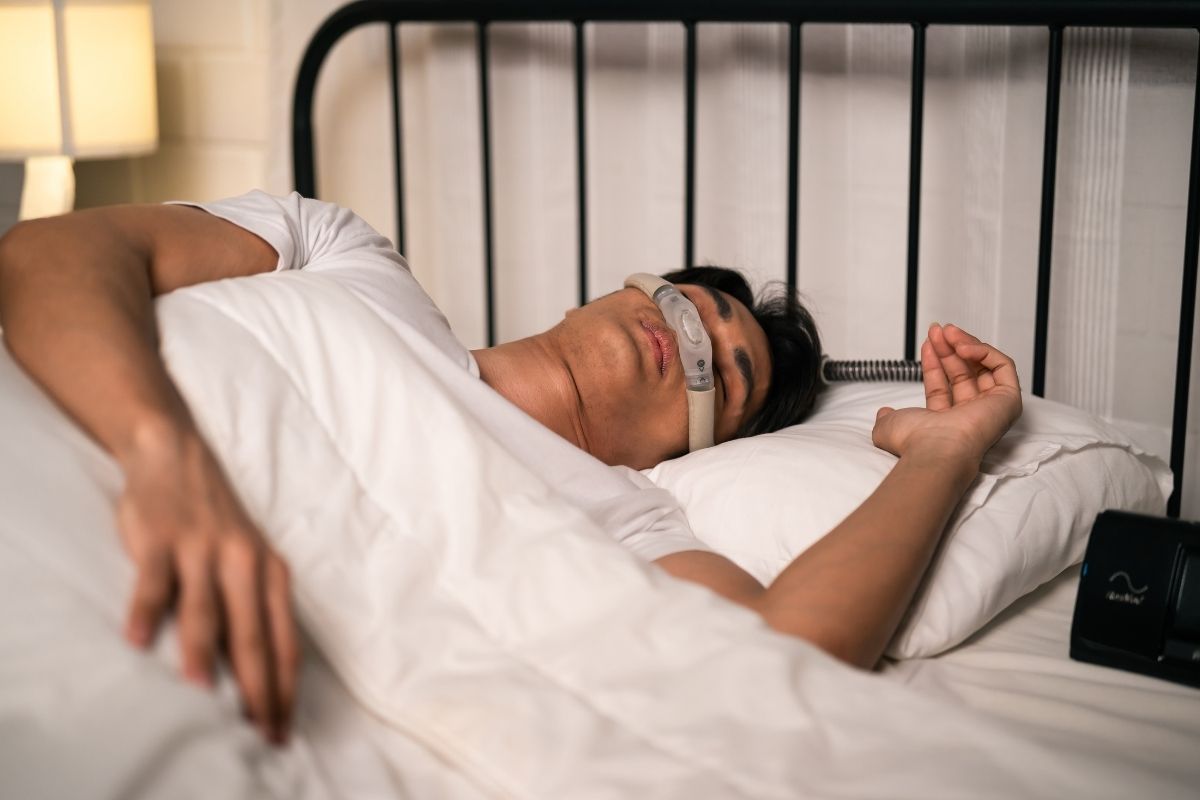
For busy professionals who travel frequently, a common reality in this city, sleep apnea therapy through a custom oral appliance offers a practical, portable alternative to a CPAP machine. Fitted precisely to your bite and jaw structure, it gently repositions the lower jaw to keep the airway open throughout the night.
Is There A Gender Bias In OSA Syndrome Diagnosis?
Yes, and it is one of the most clinically significant gaps in the field.
Obstructive sleep apnea has long been associated with overweight, middle-aged men. This has also led to many women, especially during perimenopause and postmenopause, being underdiagnosed. During these times, decreasing progesterone levels can make the airway muscles less firm, which can sometimes be overlooked.
How symptoms differ:
- Men usually present with loud snoring and gasping.
- Women more often report fatigue, insomnia, morning headaches, and mood disturbances.
- These symptoms frequently overlap with anxiety, depression, or thyroid disorders, leading to years of misdiagnosis.
Over time, these effects build up quietly in the body. Even when test results look normal, persistent low energy can signal something deeper. In many cases, undiagnosed sleep apnea may be the underlying cause.
Can A Dentist Actually Address Something This Serious?
Dentists are often the first to observe structural signs of sleep-disordered breathing during a routine exam. These include:
- Worn enamel from nighttime grinding (bruxism).
- Scalloped tongue edges from pressure against the teeth.
- A high, narrow palate.
- A recessed lower jaw.
These signs can suggest that the airway may not stay stable during sleep. When the issue is noticed, they recommend a sleep study to help identify it early and begin treatment before it affects heart health.
Oral appliance therapy, when prescribed and monitored by a trained dental professional, is the first-line treatment for mild-to-moderate sleep-disordered breathing. In more complex cases, it can be combined with other treatments and is often easier for patients to use consistently than CPAP.
Your City Never Sleeps, But You Absolutely Should
Whether you are taking an evening walk along the Hudson River or catching a performance at Carnegie Hall, the city offers experiences that deserve your full presence. Life here is too rich and too demanding to spend it running on empty while a treatable condition quietly strains your heart.
If you have been waking up fatigued, if a partner has commented on your snoring, or if sleep simply doesn’t feel restorative, these are not signs to ignore.
Visit our dental office in New York, where sleep apnea screening is part of our comprehensive care approach. We ensure every patient receives an accurate diagnosis and a treatment plan that protects not only their smile, but their long-term health.
At 80 Park Avenue Dental, We Treat More Than Symptoms
At 80 Park Avenue Dental, we do a thorough diagnosis of your dental health. OSA is a systemic condition, one with consequences that extend beyond the mouth. Treating it is among the most proactive steps you can take for your cardiovascular future. Your body has been trying to tell you something. We are here to help you listen. Don’t put this off for another sleepless night. Book an appointment with our professional dental team in New York today, and let’s find out if your sleep is silently affecting your heart.
Frequently Asked Questions (FAQs)
1. Can sleep apnea increase the risk of heart failure over time?
Sleep apnea can put repeated strain on your heart by lowering oxygen levels during sleep. Over time, this extra stress may weaken the heart and increase the risk of heart failure.
2. Is there a link between sleep apnea and sudden cardiac death?
OSA has been linked to a higher risk of sudden cardiac events, especially at night. Changes in oxygen levels can trigger irregular heart rhythms that may increase this risk.
3. Does sleep apnea affect cholesterol or other heart risk factors?
It can affect how your body processes fats and sugars. This may lead to higher cholesterol levels and increase the risk of heart-related conditions over time.
4. How does sleep apnea impact heart rate during sleep?
Sleep apnea can cause your heart rate to fluctuate due to repeated stress on the body. These changes may reduce your heart’s ability to function efficiently over time.
5. Are heart-related risks from sleep apnea reversible with early care?
Early care can help reduce the strain obstructive sleep apnea puts on your heart. While some improvements are possible, long-term effects may depend on how early the condition is treated.