80 Park Ave STE 1C, New York, NY 10016

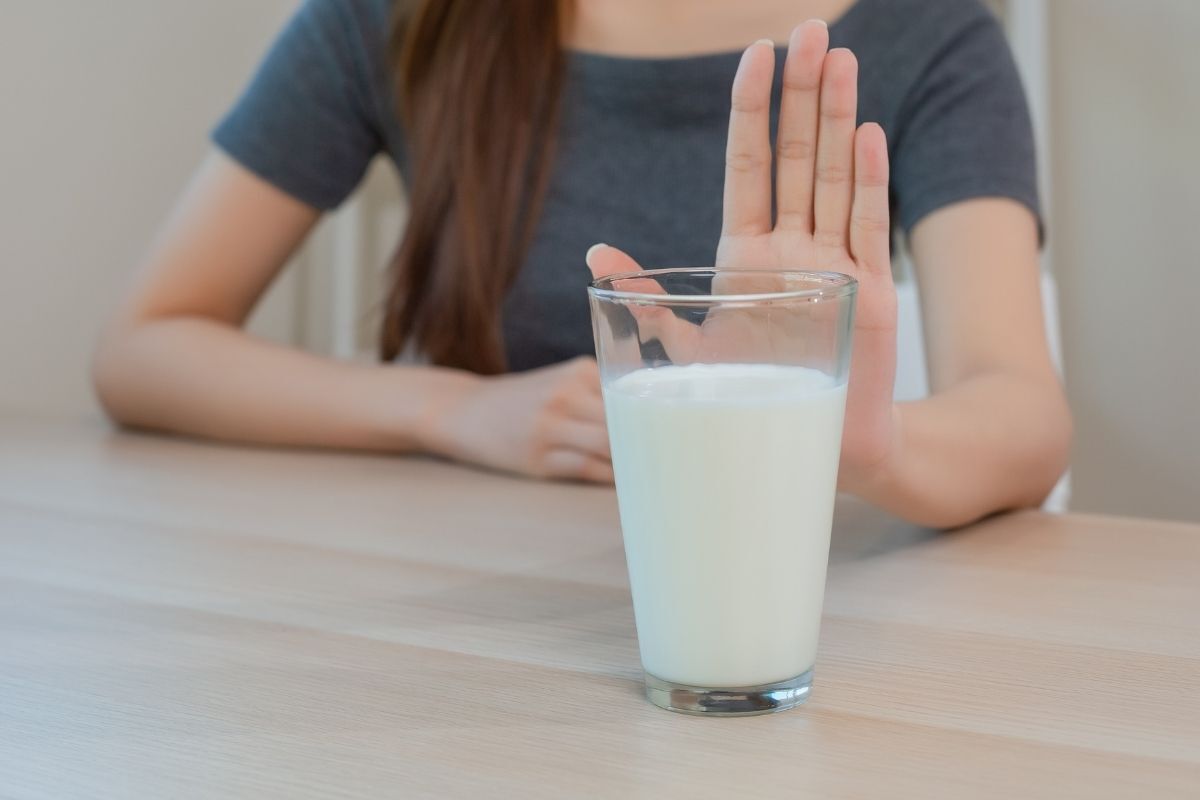
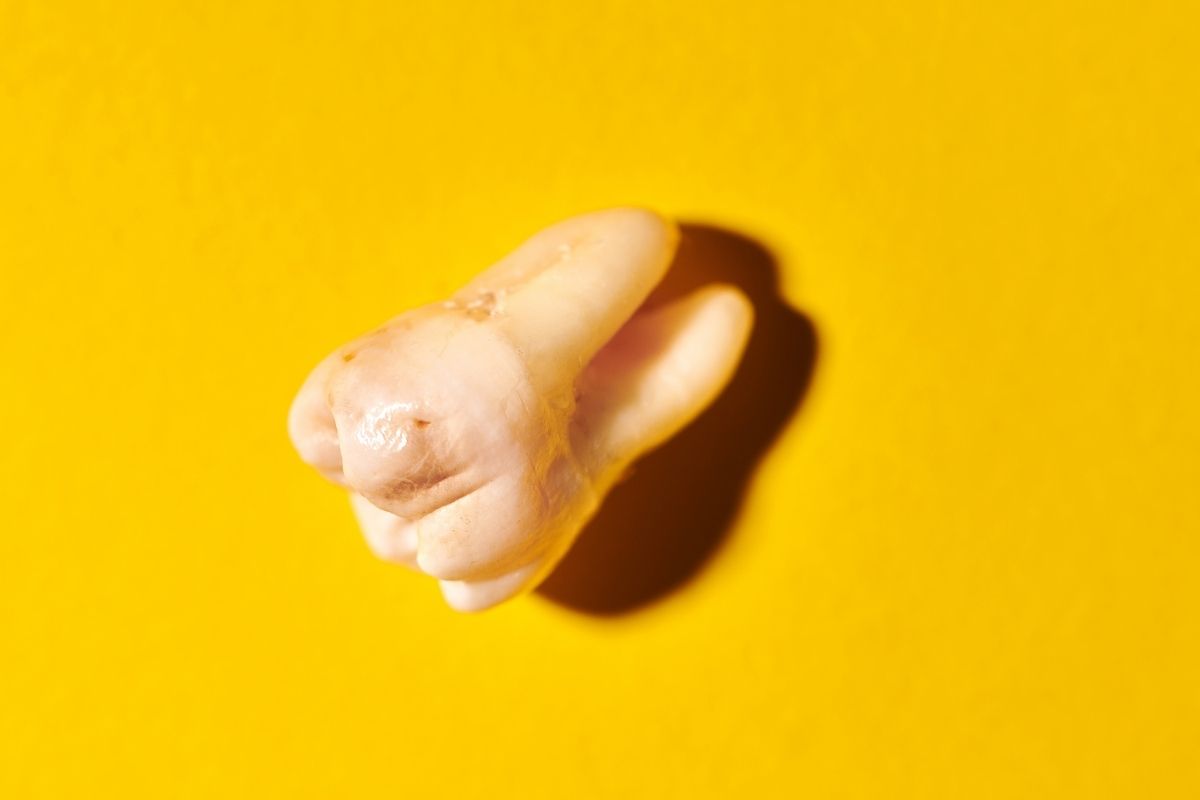
If you’ve recently had a tooth extracted, you may be wondering what you can safely eat and drink. One of the most common questions patients ask is, “Is drinking milk good after tooth extraction?”
The short answer is yes. In most cases, plain milk is safe to drink after a routine tooth extraction and can even be a nutritious choice during recovery. However, there are a few situations where it’s best to avoid dairy for a short time.
Here’s everything you need to know.
Can You Drink Milk After a Tooth Extraction?
Yes, you can usually drink cold or cool plain milk after a tooth extraction, especially if your procedure was performed using local anesthesia.
Milk is easy to drink, doesn’t require chewing, and provides nutrients that support your body’s natural healing process. It also makes a good option when your mouth feels too sore for solid foods.
One important precaution is to avoid drinking through a straw. The suction created by a straw can dislodge the protective blood clot that forms in the socket, increasing your risk of developing dry socket, a painful complication that can delay healing.
Is Milk Good for Healing After Tooth Extraction?
Milk isn’t a treatment for the extraction site, but it can be a healthy addition to your recovery diet.
Some of its benefits include:
- Provides protein to help repair tissues.
- Contains calcium, which supports strong teeth and bones.
- Is gentle on the extraction site because it doesn’t require chewing.
- Helps you stay nourished when eating solid foods is difficult.
Although milk provides valuable nutrients, the most important part of recovery is following your dentist’s post-extraction instructions.
When Should You Avoid Milk After Tooth Extraction?
While milk is safe for most people, there are a few situations where you may want to avoid it temporarily.
You may need to skip milk during the first 24 hours if:
- You received IV sedation or general anesthesia and are experiencing nausea.
- Your dentist specifically instructed you to avoid dairy products after your procedure.
- Dairy tends to upset your stomach after surgery.
If you’re unsure whether milk is appropriate for you, follow your dentist’s recommendations.
How Should You Drink Milk After a Tooth Extraction?
Drinking milk the right way can help protect the healing extraction site.
Keep these tips in mind:
- Choose cold or cool milk instead of warm or hot milk.
- Drink directly from a cup rather than using a straw.
- Take slow, gentle sips instead of drinking quickly.
- If your dentist recommends it, gently rinse your mouth with water afterward. Avoid vigorous rinsing during the first 24 hours.
These simple precautions help protect the blood clot and promote proper healing.
What Foods Go Well With Milk During Recovery?
For the first day or two after your extraction, choose soft foods that are easy to eat and won’t irritate the surgical site.
Good options include:
- Yogurt
- Applesauce
- Mashed potatoes
- Scrambled eggs
- Cottage cheese
- Cooled oatmeal
- Smooth soups
- Pudding
- Bananas
As your mouth heals, you can gradually return to your normal diet based on your dentist’s instructions.
Foods and Drinks to Avoid After Tooth Extraction
Some foods and beverages can interfere with healing or irritate the extraction site.
Avoid:
- Hot drinks during the first 24 hours
- Alcohol
- Carbonated beverages, if your dentist recommends avoiding them
- Crunchy foods, such as chips and nuts
- Hard candy
- Sticky foods
- Spicy foods
- Popcorn and seeds
- Drinking through a straw
- Smoking or vaping
Following these guidelines can help reduce your risk of complications, including dry socket.
When Should You Call Your Dentist?
Some discomfort, swelling, and minor bleeding are normal after a tooth extraction. However, contact your dentist if you experience:
- Severe or worsening pain after the first few days
- Heavy bleeding that doesn’t stop
- Fever or chills
- Swelling that continues to increase
- Pus or a persistent bad taste coming from the extraction site
- Difficulty swallowing or opening your mouth
Getting prompt dental care can help prevent more serious complications and support a faster recovery.
Final Thoughts
So, is drinking milk good after a tooth extraction? For most people, the answer is yes. Cold or cool plain milk is a safe, nutritious option that can help keep you comfortable while your mouth heals.
Just remember to avoid using a straw, follow your dentist’s aftercare instructions, and stick with soft foods during the first few days. If you notice unusual symptoms or have concerns about your recovery, contact your dentist. Personalized care is the best way to ensure a smooth, comfortable healing process.
Frequently Asked Questions
Can I drink milk immediately after tooth extraction?
Yes. If you had a routine extraction with local anesthesia and your dentist hasn’t advised otherwise, you can usually drink milk shortly after the procedure. Drink it from a cup and avoid using a straw.
How soon can I drink milk after tooth extraction?
Most people can drink milk within a few hours after the procedure, once the numbness has worn off and the bleeding is under control. Drink it from a regular cup, not a straw, to protect the blood clot and support proper healing.
Is chocolate milk okay after tooth extraction?
Plain milk is generally the better choice because it doesn’t contain added sugar. While an occasional glass of chocolate milk is unlikely to affect healing, limiting sugary drinks and maintaining good oral hygiene is always recommended.
Can I drink warm milk after tooth extraction?
It’s best to choose cold or cool milk during the first 24 hours. Very hot beverages may interfere with the blood clot that’s protecting the extraction site.
Can I drink cold milk after tooth extraction?
Yes. Cold or cool milk is generally safe after a tooth extraction and may even feel soothing on the healing area. Avoid adding ice if it causes discomfort, and always drink from a cup instead of using a straw.
Can dairy products cause dry socket?
No. Dairy products do not cause dry socket. Dry socket most commonly occurs when the protective blood clot becomes dislodged, often due to smoking, drinking through a straw, forceful rinsing, or other activities that disturb the healing socket.
How Long Should I Eat Soft Foods After Tooth Extraction?
Most people should stick to soft foods for the first 24 to 48 hours after a tooth extraction. If you had a surgical extraction or had multiple teeth removed, your dentist may recommend eating soft foods for a longer period, depending on how your mouth is healing.