80 Park Ave STE 1C, New York, NY 10016


A bad taste in the mouth can result from poor oral hygiene, gum disease, tooth infections, dry mouth, certain medications, or acid reflux. You may notice a bitter, metallic, sour, or foul taste even when you have not eaten anything. If the unpleasant taste persists or keeps returning, it may indicate an underlying dental or medical problem.
Understanding the possible causes can help you determine when to seek professional care.
What Does a Bad Taste in the Mouth Mean?
An ongoing change in your sense of taste is medically known as dysgeusia. It can make food taste different or leave an unpleasant sensation even when your mouth is empty.
Common types include:
- Bitter taste: An unpleasant bitterness that lingers.
- Metallic taste: A sensation similar to iron or metal.
- Sour taste: An acidic sensation often associated with reflux.
- Foul taste: An unpleasant taste linked to bacteria or infection.
What Causes a Bad Taste in the Mouth?
Several conditions can affect your sense of taste.
1. Poor Oral Hygiene and Gum Disease
Food particles and bacteria accumulate when you do not brush and floss regularly. This buildup can cause bad breath and an unpleasant taste.
Gum disease can make the problem worse. Symptoms include swollen or bleeding gums, persistent bad breath, gum recession, and sometimes pus around the teeth.
A persistent foul taste with bleeding gums may indicate a gum infection.
2. Tooth Decay and Dental Infections
Cavities allow bacteria to damage your teeth. If decay reaches the inner pulp, an infection or dental abscess may develop.
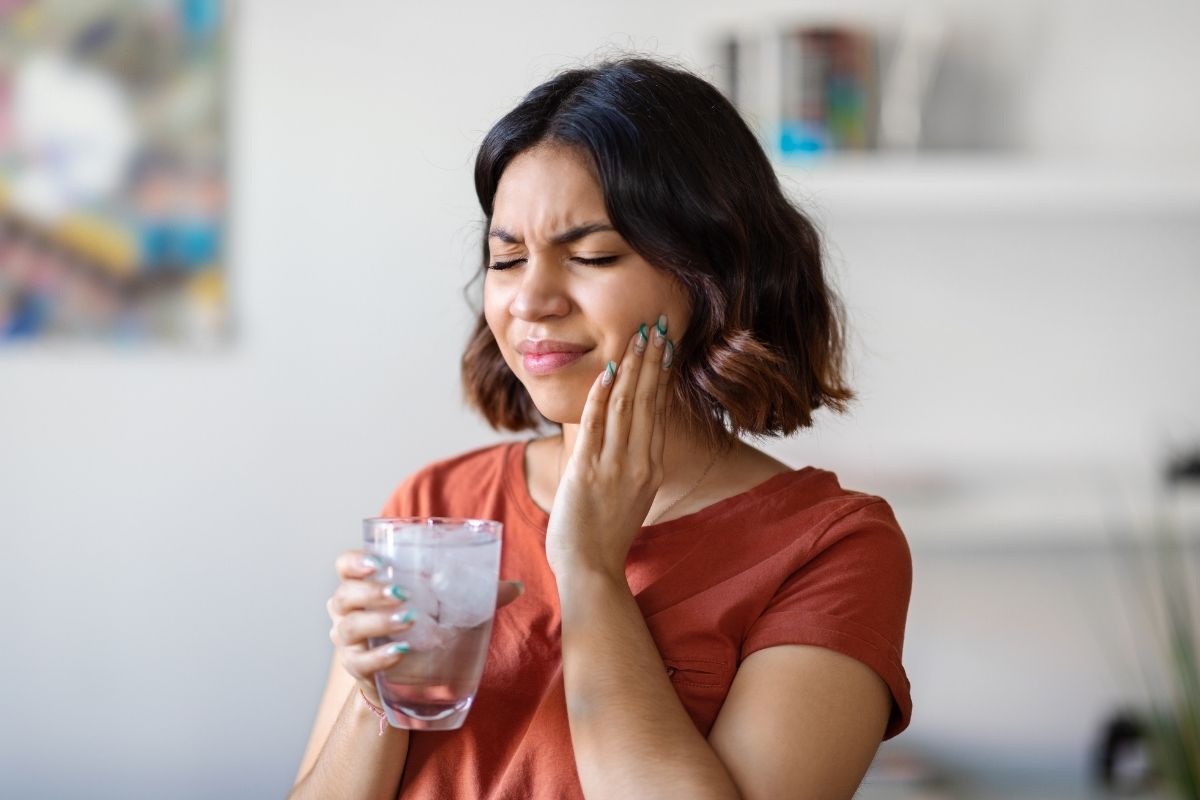
You may experience toothache, sensitivity, swelling, pain when biting, or a foul taste caused by pus.
A dental abscess requires prompt professional treatment.
3. Dry Mouth
Saliva washes away food particles and helps control oral bacteria. Reduced saliva production allows bacteria to accumulate, potentially causing a bitter taste and bad breath.
Dehydration, mouth breathing, and certain medications can contribute to dry mouth.
4. Acid Reflux
Acid reflux occurs when stomach contents flow back into the esophagus. Stomach acid can reach your throat or mouth, creating a sour or bitter taste.
Heartburn, frequent burping, and throat irritation may accompany it.
5. Medications and Supplements
Some antibiotics, antihistamines, blood pressure medications, and antidepressants can alter taste or reduce saliva production. Iron supplements and certain multivitamins may also cause a metallic taste.
Consult your healthcare provider if the problem starts after taking a new medication. Do not stop prescribed medication without medical advice.
6. Oral Thrush and Sinus Infections
Oral thrush is a fungal infection that can cause white patches, soreness, and altered taste.
Sinus infections and respiratory conditions may also affect smell and taste. Postnasal drip can leave mucus in the throat and contribute to an unpleasant sensation.
Why Do I Have a Bad Taste in My Mouth in the Morning?
Saliva production decreases during sleep, allowing oral bacteria to accumulate. Mouth breathing, dehydration, and acid reflux can make morning symptoms worse.
Brush twice daily, clean your tongue, and stay hydrated. If the taste continues throughout the day, consider a dental examination.
How Can You Get Rid of a Bad Taste in Your Mouth?
Treatment depends on the underlying cause. These habits can help improve oral hygiene:
- Brush twice daily with fluoride toothpaste.
- Floss once a day to remove trapped food particles.
- Clean your tongue gently.
- Drink enough water throughout the day.
- Avoid tobacco products.
- Schedule regular dental cleanings.
Avoid masking persistent symptoms with mints or mouthwash without identifying the cause.
When Should You See a Dentist?
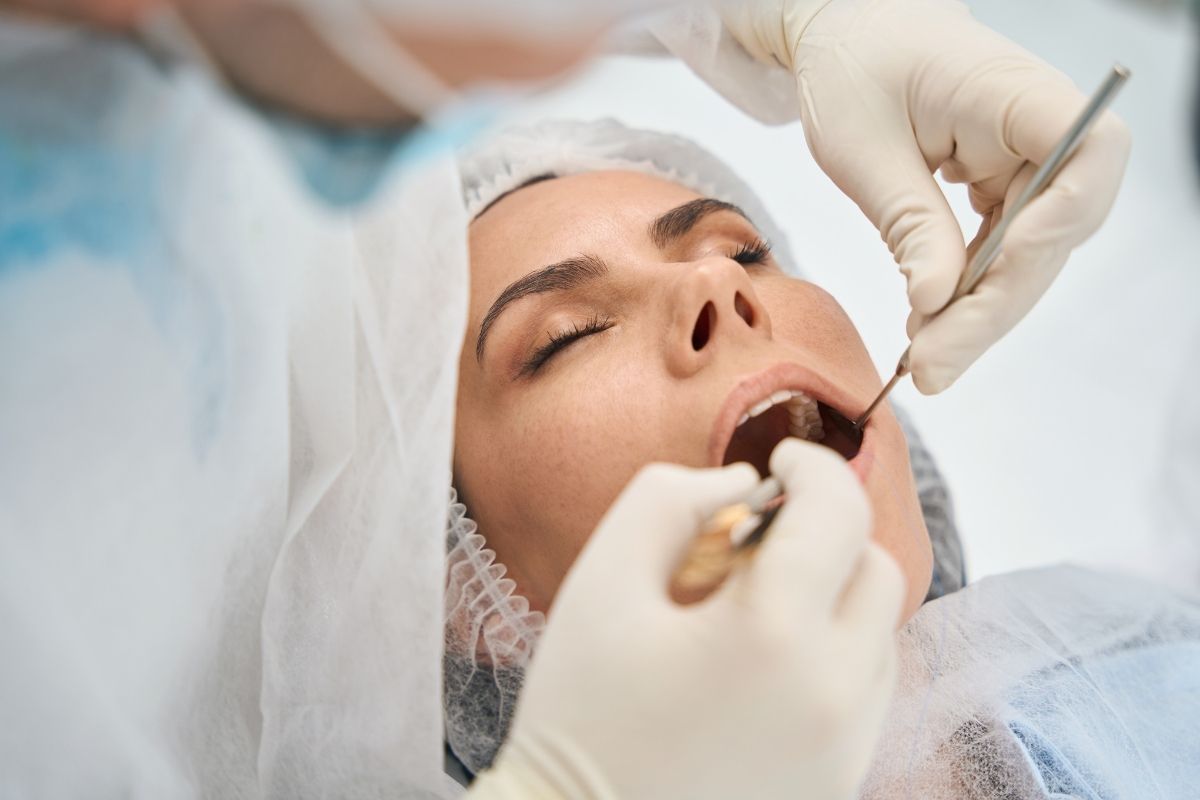
Schedule an examination if the unpleasant taste persists or occurs alongside tooth pain, swollen gums, bleeding, or bad breath.
Seek prompt dental care for pus, facial swelling, or worsening dental pain. Difficulty breathing or swallowing requires emergency medical attention.
Frequently Asked Questions :
1. Can dehydration cause a bad taste?
Yes. Dehydration can reduce saliva production, allowing bacteria to accumulate and create an unpleasant taste.
2. Can a bad taste indicate a tooth infection?
Yes. An infected tooth or dental abscess can produce a foul taste, especially when pus drains into the mouth.
3. Why does everything suddenly taste bitter?
Medication changes, dry mouth, acid reflux, oral infections, and changes in smell can cause sudden bitterness.
Get Help for Persistent Oral Discomfort
A recurring unpleasant taste may indicate an underlying dental problem. Visit our dental clinic in New York for an evaluation. At 80 Park Avenue Dental, our team can assess your oral health and recommend appropriate care.
Schedule your dental visit today and take the first step toward a healthier mouth.