80 Park Ave STE 1C, New York, NY 10016

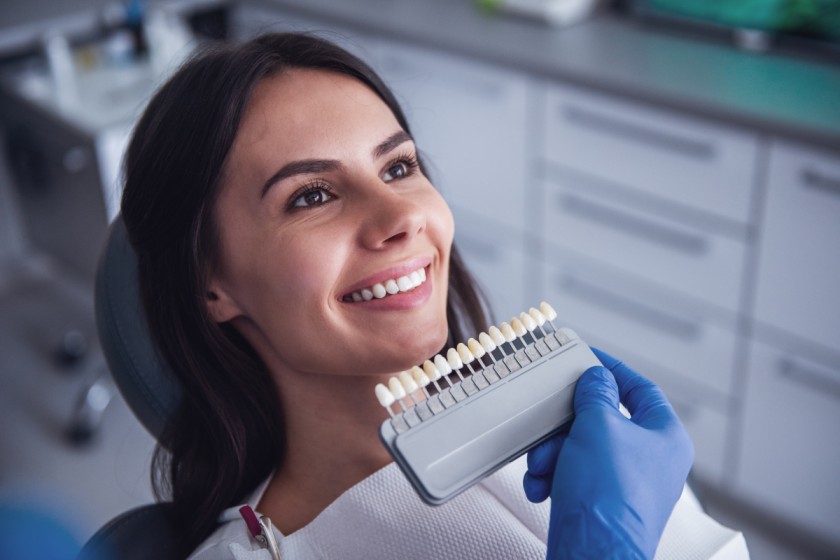
Your daily habits play a major role in determining how long dental veneers will last. While many veneers can remain in excellent condition for years, poor lifestyle choices often lead to staining, cracks, gum problems, or bonding failure much sooner than expected. Veneers themselves are durable, but they still depend on the strength of the natural tooth underneath and the condition of the surrounding gums.
Everything from the foods you eat to the way you sleep can influence how well your veneers hold up over time. Understanding these habits can help you protect your results and avoid unnecessary dental repairs.
Biting and Chewing Habits
Excessive pressure is one of the most common causes of veneer damage. Although veneers are designed to handle normal chewing, repeated force or misuse can weaken them over time.
Using Teeth as Tools
Many people use their front teeth to tear open packages, bite tags off clothing, or hold objects with one hand while their other hand is full. These actions place concentrated pressure on veneers and may loosen or crack them.
Chewing Hard Objects
Habits like chewing ice, biting fingernails, or chewing on pens create repeated stress on veneer surfaces. Even small amounts of pressure repeated daily can lead to chips and tiny fractures.
Biting Into Hard Foods
Hard foods such as whole apples, crusty bread, popcorn kernels, and hard candy can place excessive force on veneered teeth. Cutting harder foods into smaller pieces and chewing carefully with back teeth can help prevent damage.
Dietary Choices and Substance Use
What you consume regularly affects both the appearance and stability of veneers. Certain foods, drinks, and substances can weaken bonding materials or affect surrounding teeth and gum tissue.
Dark Colored Drinks
Coffee, tea, red wine, and dark sodas contain pigments that may stain surrounding natural teeth over time. Although porcelain resists staining better than enamel, discoloration around the edges can still affect the overall appearance of your smile.
Alcohol Consumption
Frequent alcohol exposure may weaken the bonding materials that hold veneers in place. Alcohol based mouthwashes can also contribute to bonding wear when used excessively for long periods.
Smoking and Tobacco Use
Smoking creates stubborn discoloration and contributes to gum recession. As gums pull away from the teeth, the edges of veneers may become more visible, affecting both appearance and stability. Tobacco also increases plaque buildup, which may raise the risk of decay near the veneer margins.
Sleep Habits and Physical Activity
Certain habits that happen unconsciously can shorten the lifespan of veneers without obvious warning signs.
Teeth Grinding During Sleep
Bruxism, also known as teeth grinding, places constant pressure on veneers throughout the night. Over time, this force can create cracks, wear down surfaces, or weaken the adhesive bond. Many people grind their teeth without realizing it until damage appears.
A custom night guard can help protect veneers by reducing pressure while you sleep.
Contact Sports and Physical Impact
Sports activities such as basketball, martial arts, soccer, and similar physical activities increase the risk of facial injuries. A direct impact on the mouth can chip or completely dislodge veneers.
Wearing a professionally fitted mouthguard provides valuable protection during sports and recreational activities.
Oral Hygiene Habits
Strong oral hygiene routines help preserve both veneers and the natural teeth underneath them. Neglecting daily care may lead to gum disease or decay that compromises the veneer foundation.
Abrasive Dental Products
Hard-bristle toothbrushes and abrasive whitening products can scratch veneer surfaces. Over time, these tiny scratches dull the polished finish and make veneers more likely to collect stains.
Using a soft toothbrush and gentle fluoride toothpaste helps protect the surface.
Skipping Daily Flossing
Plaque and bacteria tend to collect around the edges where veneers meet natural teeth. Without daily flossing, decay may form underneath the veneer, eventually weakening the tooth structure and requiring replacement.
Inconsistent Dental Visits
Routine dental cleanings and examinations allow dentists to identify early signs of wear before larger issues develop. Small adjustments and preventive care can significantly extend veneer longevity.
Long-term Veneer Success Depends on Daily Choices
Patients interested in dental veneers often focus on the cosmetic transformation, but long-lasting results depend heavily on daily care afterward. Healthy habits, protective measures, and consistent oral hygiene all contribute to keeping veneers strong and natural-looking for years.
Small lifestyle adjustments today can help preserve your results far into the future.
Keep Your Veneers Looking Their Best
If you want expert guidance on maintaining long-lasting dental results, 80 Park Avenue Dental is here to help. Visit our New York dental office to learn how proper care and personalized recommendations can help protect your veneers and overall oral health. Schedule a consultation with 80 Park Avenue Dental in New York and take the next step toward preserving a confident, healthy appearance.
Frequently Asked Questions :
How long do veneers usually last?
Porcelain veneers often last between ten and twenty years, while composite veneers generally last several years with proper care.
Can coffee stain veneers?
Porcelain veneers resist staining well, but coffee may still discolor surrounding teeth and veneer edges over time.
Is teeth grinding harmful to veneers?
Yes. Grinding places heavy pressure on veneers and may lead to cracks, chips, or bonding problems.
Can smoking damage veneers?
Smoking contributes to discoloration, gum recession, and plaque buildup, all of which can affect veneer appearance and stability.
Do veneers require special oral care?
Veneers benefit from gentle brushing, daily flossing, routine dental visits, and avoiding overly abrasive dental products.