80 Park Ave STE 1C, New York, NY 10016

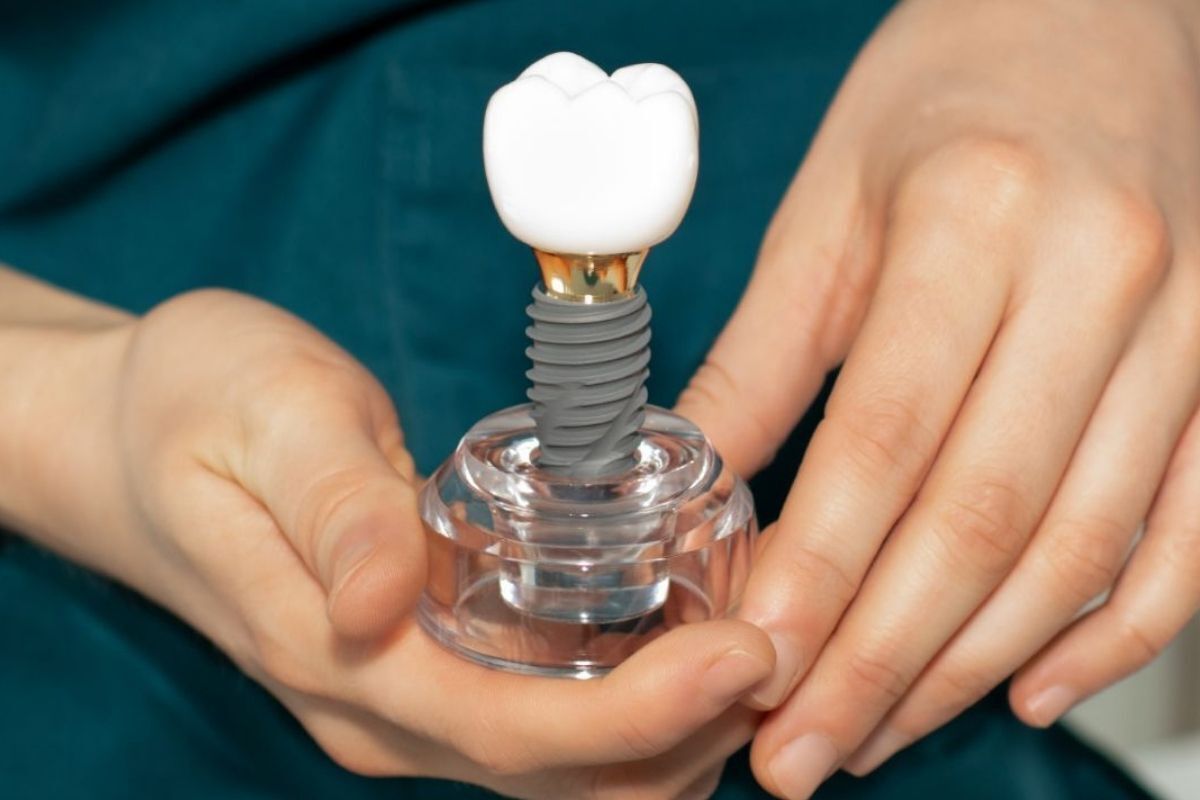
If you are replacing a missing tooth, you may wonder how long an implant will last. The good news is that the implant itself can last 20 years or more and, in many cases, for a lifetime with proper care. The crown attached to it typically lasts between 10 and 15 years before normal wear may require replacement. Daily oral hygiene, healthy gums, regular dental visits, and lifestyle habits all influence how long your restoration will serve you.
Why Are Dental Implants So Long Lasting?
An implant is made from biocompatible titanium that bonds with the jawbone through a natural healing process called osseointegration. This creates a stable foundation that closely mimics the function of a natural tooth root. While the implant cannot develop cavities, the surrounding gums and bone must stay healthy to keep it secure.
If you are looking for a permanent solution for missing teeth, explore your tooth replacement options with dental implants to learn how treatment can restore your smile, improve chewing ability, and support long-term oral health.
Factors That Affect Their Lifespan
Daily Oral Hygiene
Brushing twice a day and flossing every day help remove plaque that can build up around the implant. Good oral hygiene keeps your gums healthy and reduces the risk of infection that could affect the supporting bone.
Healthy Gums
Healthy gum tissue is essential for long-term success. If gum disease develops around an implant, it can damage the surrounding bone and lead to complications. Routine dental care helps identify and treat problems before they become more serious.
Bone Support
Strong jawbone support allows the implant to remain stable for many years. If significant bone loss is present before treatment, additional procedures may be recommended to improve the foundation.
Teeth Grinding
Grinding or clenching your teeth places extra pressure on both natural teeth and restorations. A custom night guard can help protect your smile if you grind while sleeping.
Smoking
Smoking slows healing, reduces blood flow to the gums, and increases the risk of implant complications. Quitting or reducing tobacco use can improve long-term outcomes.
Overall Health
Certain medical conditions, including uncontrolled diabetes, may slow healing and increase the risk of complications. Managing your overall health supports healthy gums and bone.
Regular Dental Checkups
Professional cleanings and routine examinations allow your dentist to monitor the implant, crown, and surrounding tissues. Early detection of minor issues often prevents more extensive treatment later.
How to Help Your Implant Last Longer
Simple daily habits can extend the life of your restoration.
- Brush your teeth twice each day.
- Floss carefully around the implant every day.
- Keep up with regular dental cleanings and examinations.
- Avoid chewing ice and other very hard objects.
- Wear a mouthguard during sports if recommended.
- Use a night guard if you grind your teeth at night.
Following these habits every day can make a significant difference in the lifespan of your restoration. If you would like more practical advice, learn how to care for your dental implants to keep your smile healthy for years to come.
Can Dental Implants Fail?
Implants have a high success rate, but failure is still possible. Early failure may occur if the implant does not bond properly with the bone during healing. Later problems are more commonly linked to gum disease, smoking, poor oral hygiene, or excessive pressure from grinding. The good news is that many of these risks can be reduced through proper care and regular dental visits.
When Should You See Your Dentist?
Contact your dentist if you notice any of the following:
- Pain after the implant has completely healed.
- Swollen, tender, or bleeding gums around the implant.
- A loose crown or implant.
- Difficulty chewing comfortably.
- Persistent bad taste or bad breath near the implant.
Prompt care can often prevent small concerns from becoming larger problems.
Protect Your Smile for Years to Come
An implant is one of the most durable tooth replacement options available, but its longevity depends on the care it receives. Good oral hygiene, healthy lifestyle choices, and routine dental visits can help your restoration remain functional and comfortable for decades.
Give Your Smile the Care It Deserves
Whether you are considering Dental Implants in New York or want to keep your existing implant in excellent condition, 80 Park Avenue Dental is here to help. Visit our dental clinic in New York for personalized care, routine implant evaluations, and guidance on protecting your smile for many years.
Frequently Asked Questions :
1. How long do dental implants usually last?
The implant itself can last 20 years or longer and often for a lifetime with proper care. The crown may need replacement after about 10 to 15 years because of normal wear.
2. Do implants need special cleaning?
No. Brush and floss every day just as you would your natural teeth, while paying close attention to the gumline around the implant.
3. Can a dental implant last a lifetime?
Yes. Many patients keep their implants for life by maintaining excellent oral hygiene and attending regular dental checkups.
4. What is the most common reason implants fail?
The most common cause is infection around the supporting gums and bone, often related to poor oral hygiene or untreated gum disease.
5. Does age affect how long an implant lasts?
Age alone does not determine success. Healthy gums, strong bone, and good daily care have a much greater impact on longevity.