80 Park Ave STE 1C, New York, NY 10016

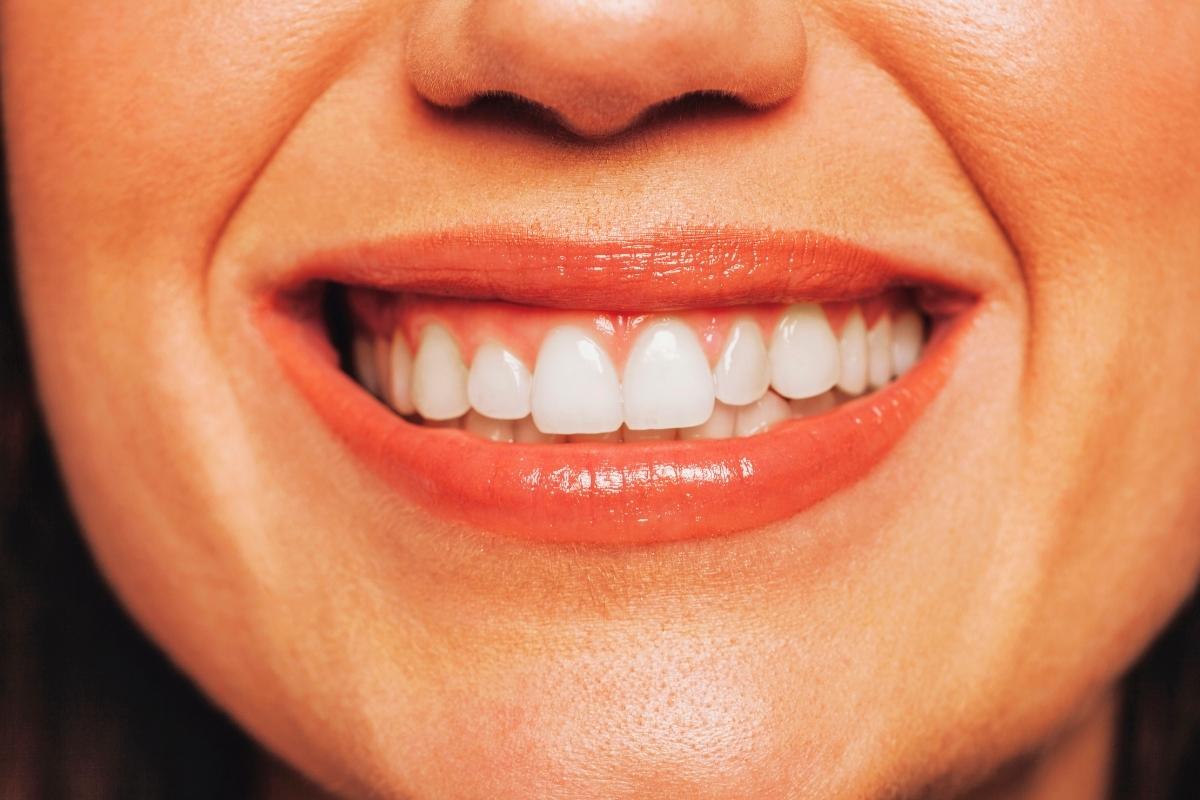
A professionally whitened smile typically stays bright for one to three years, though the exact timeline depends on your habits, the whitening method used, and how well you care for your teeth afterward. Some patients stretch their results even longer with the right maintenance routine, while others notice fading within a few months if they smoke or drink a lot of coffee, tea, or red wine. There is no single answer that fits everyone, but understanding what drives the fade can help you get far more mileage out of your treatment.
If you are weighing whether whitening is worth it, or you already had it done and are wondering why your smile looks a little duller than it did on day one, this guide breaks down exactly what to expect.
The Real Timeline: What Patients Actually Experience
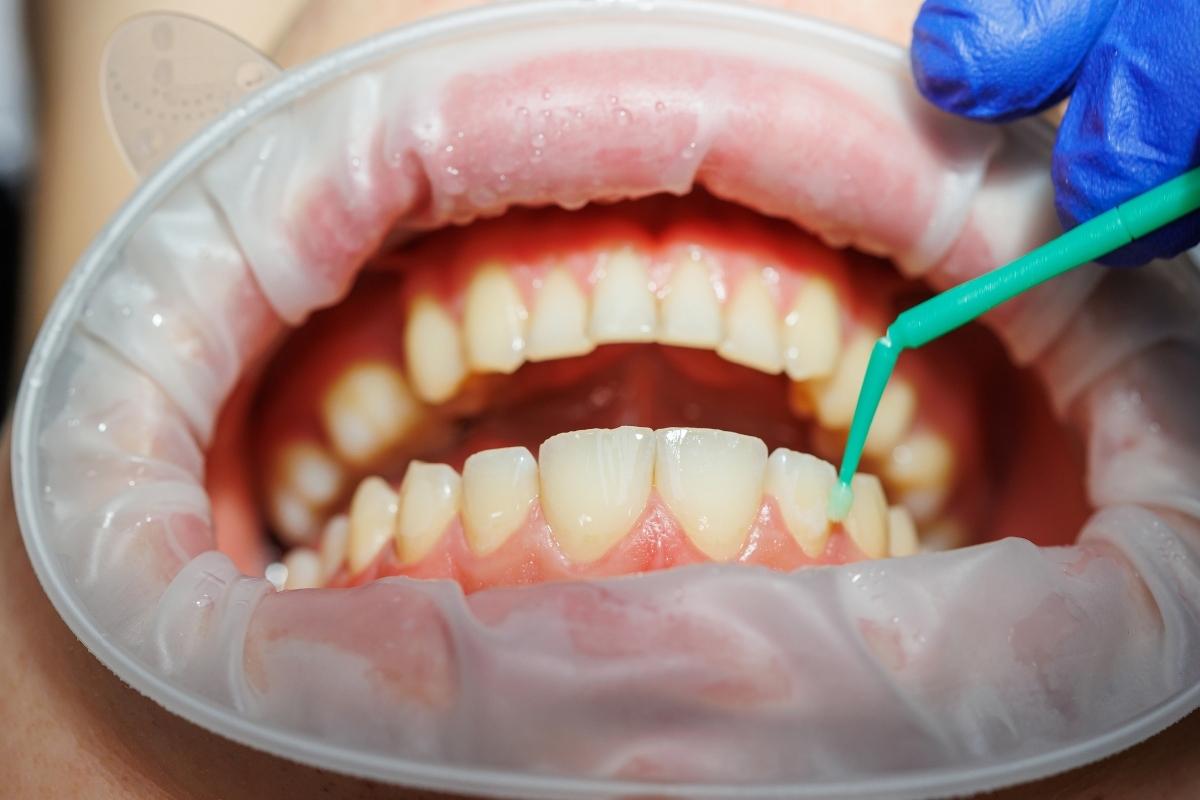
Most people who get in-office bleaching see noticeably whiter teeth immediately, and that brightness typically holds strong for six months to a year before any gradual dulling becomes visible. Patients who follow up with occasional touch-up sessions, or use dentist-provided take-home trays, often stretch that window out to two or even three years.
Take-home kits prescribed by a dentist use a lower-concentration gel worn over consecutive nights. They produce slightly less dramatic results at first but can last just as long when paired with consistent care. Over-the-counter strips and whitening toothpaste sit at the opposite end of the spectrum. They may lighten surface stains for a few weeks to a couple of months at best, since the active ingredients are far weaker than what a dental professional can use.
What Determines How Long Your Results Hold Up
Your Diet and Drinks
Coffee, black tea, dark sodas, red wine, and berries all contain pigments called chromogens that cling to enamel and slowly reintroduce staining. You do not need to give these up entirely, but rinsing with water afterward, or sipping through a straw, meaningfully slows the process.
Tobacco Use
Cigarettes and other tobacco products contain tar and nicotine, both of which stain teeth aggressively and quickly. Patients who smoke regularly often see their whitening fade two to three times faster than nonsmokers.
Your Oral Hygiene Routine
Brushing twice daily, flossing, and keeping up with routine cleanings remove the surface buildup that leads to new discoloration. Skipping cleanings lets plaque and tartar accumulate, which dulls the shine much sooner than expected.
The Whitening Method Itself
Higher concentration, professionally applied bleaching agents penetrate deeper into the enamel and produce results that resist new staining far better than milder over-the-counter products.
Natural Aging
Enamel naturally thins with age, revealing more of the yellowish dentin layer underneath. This slow biological process is something no whitening treatment can permanently stop, which is why even the best results eventually need a refresh.
Genetics and Enamel Thickness
Some people are born with thicker, more stain-resistant enamel, while others have naturally porous enamel that absorbs pigments more easily. This is one reason two patients can follow the exact same aftercare routine and still see different results.
Signs Your Whitening Is Starting to Fade
The change is usually gradual rather than sudden. Watch for teeth looking slightly duller in photos, faint stains returning near the gumline, or a noticeable difference when you compare your smile to a photo taken right after treatment. None of this happens overnight, so most patients have plenty of time to book a touch-up before staining becomes obvious to others.
Practical Ways to Make Your Results Last Longer
- Rinse your mouth with water immediately after coffee, tea, wine, or dark sauces.
- Use a straw for staining beverages whenever it is practical.
- Wait about thirty minutes before brushing after eating or drinking something acidic, so enamel has time to re-harden.
- Keep up with your six-month dental cleanings, since professional polishing removes surface stains before they set in.
- Choose a whitening toothpaste carrying the ADA Seal of Acceptance for gentle maintenance between treatments.
- Ask your dentist about a small at-home touch-up kit to use once or twice a year.
According to the American Dental Association, the safest and most predictable whitening outcomes come from working directly with a dental professional who evaluates your enamel, existing restorations, and overall oral health before recommending a treatment plan, rather than relying solely on store-bought products.
When Should You Schedule a Touch-Up?
Most patients return for a touch-up somewhere between twelve and eighteen months after their initial treatment, though this varies based on the lifestyle factors above. A touch-up session is usually much shorter than the original appointment, since you are refreshing existing results rather than starting from scratch. If you are unsure whether it is time, a dentist can look at your enamel and tell you within minutes.
Patients exploring options for the first time often benefit from learning more about how a professional teeth whitening treatment is customized to their enamel and staining type, and our New York-based team is happy to walk you through what results you can realistically expect.
Ready for a Smile That Actually Turns Heads?
A bright smile fades a lot slower when you have a dentist keeping an eye on it rather than guessing your way through drugstore shelves. If your whitening has lost its shine, or you have never tried it and want real, lasting results, our team at 80 Park Avenue Dental in New York is ready to map out a plan built around your teeth. Visit our dental clinic and let us show you what your smile is truly capable of.
Frequently Asked Questions :
1. Does teeth whitening damage enamel?
When performed by a trained dentist using properly regulated concentrations, whitening does not damage healthy enamel. Temporary sensitivity is possible but usually resolves within a day or two.
2. Can I whiten my teeth if I have crowns or veneers?
Bleaching agents only work on natural enamel, so crowns, veneers, and fillings will not change color. Your dentist can help you plan around this if you have existing restorations.
3. Is in-office whitening better than take-home trays?
In-office treatments produce faster, more dramatic results in a single visit, while take-home trays offer a gradual approach. Both can last a similar length of time when paired with good habits.
4. Why do my teeth feel sensitive after whitening?
The bleaching gel can temporarily open the microscopic pores in enamel, which sometimes causes short-term sensitivity to hot or cold. This typically fades within 24 to 48 hours.
5. How often can I safely whiten my teeth?
Most dentists recommend spacing full treatments at least six months to a year apart to protect enamel health, though light touch-ups can sometimes be done sooner under professional guidance.