80 Park Ave STE 1C, New York, NY 10016

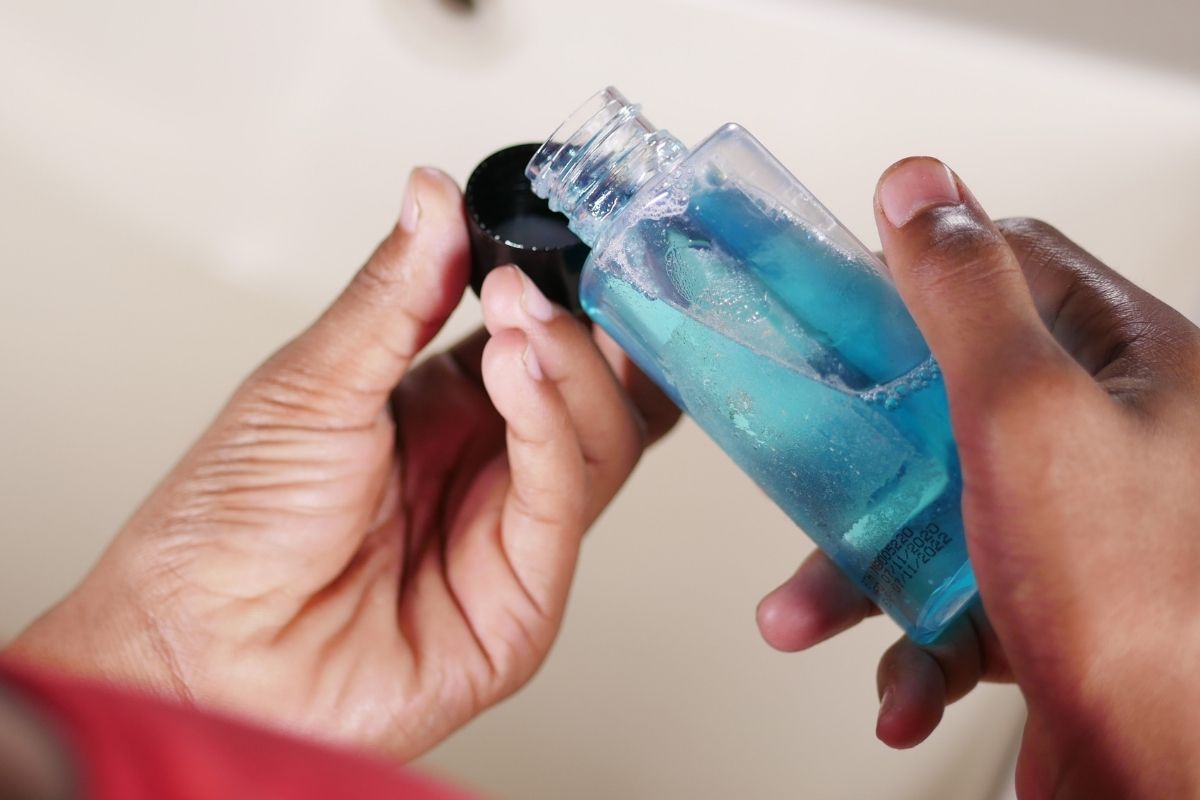
Yes, you can use mouthwash with Invisalign. But there’s one rule to remember: you should not rinse with mouthwash while your aligners are still in your mouth. Take the trays out first, brush your teeth, then rinse, and only put the trays back in once your mouth is dry. That’s the whole answer in a nutshell. Here’s why this small step matters and how to build it into your day without extra effort.
Why Your Rinse Routine Needs a Little Rethinking
Aligners trap whatever is left behind on your teeth, so timing your rinse correctly matters more than it did before.
Wearing clear aligners changes the rules of your oral care game, even if just slightly. Your teeth spend close to twenty-two hours a day sealed inside a plastic tray, which means anything left behind on your teeth or gums- food particles, bacteria, sugar residue- stays trapped against your enamel far longer than it would without aligners.
That’s exactly why rinsing matters more now, not less. A good mouthwash reaches spots your toothbrush might skip and helps neutralize the acid that builds up in that closed environment. But timing and ingredients both play a role in whether it helps or causes a new problem.
The Right Order: Brush, Rinse, Then Reinsert
The correct sequence is always brush first, then rinse, then put your trays back in. Skipping straight to mouthwash without brushing just moves debris around your mouth instead of removing it.
Give the Rinse Time to Work
Swish for the full recommended time, usually around thirty seconds. This allows the active ingredients to reach your gumline and the spaces between teeth where aligners tend to trap the most buildup.
Let Your Teeth Dry Before Reinserting Trays
Trapping excess liquid inside the aligner right after rinsing can leave a slight film or make the tray feel less comfortable until it settles. A minute of air drying solves this.
Not Every Mouthwash Plays Nice With Clear Trays
Certain mouthwash formulas can quietly work against your aligners over time. Here’s a quick breakdown.
Alcohol Based Rinses
Best to avoid for daily use. They tend to dry out oral tissue, and for some people, that dryness can extend to the aligner material itself, making trays feel brittle or slightly less clear after repeated use.
Colored or Tinted Mouthwashes
Skip these entirely. Deep green or blue varieties carry a real risk of leaving a tint on clear plastic trays. Once that discoloration sets in, it’s difficult to reverse, and it defeats the whole purpose of choosing an invisible option in the first place.
Whitening Mouthwashes
Use with caution. Many contain peroxide levels that can be too aggressive for daily use while your teeth are already adjusting to constant tray pressure.
What Actually Works Best
A simple, alcohol free, clear formula. Fluoride rinses are a solid everyday choice since they strengthen enamel without adding pigment or harsh chemicals into the mix.
Can Mouthwash Be Used to Soak Your Trays Instead of Water?
No, mouthwash should never replace water or a dedicated cleaner for soaking trays. Mouthwash is formulated for your mouth, not for plastic retainers or aligner trays. Soaking your trays in it can cause warping, clouding, or a lingering taste that’s hard to shake. Stick to lukewarm water or a dedicated cleaning solution made specifically for aligners.
Building a Routine That Actually Sticks
A realistic daily flow looks like this:
- Brush after every meal or snack before trays go back in.
- Floss at least once a day, ideally at night when you have more time.
- Rinse with an alcohol free mouthwash after brushing, then wait a minute before reinserting your aligners.
- Clean the trays separately, never with mouthwash, and never with hot water since heat can distort the plastic.
Sticking to this order isn’t complicated once it becomes muscle memory, and it genuinely protects both your smile and your investment in the treatment.
If you’re just getting started or still comparing your options, working through a proper Invisalign treatment plan with a dentist who checks in regularly makes this entire routine far easier to manage, and it’s something patients across New York have found makes a noticeable difference in how smoothly their care progresses from start to finish.
Ready for a Smile That Keeps Up With Your Routine?
Small habits like this one add up to a much smoother treatment experience, and having the right dentist in your corner makes all the difference. If you’re in New York and have questions about your aligners, your rinse routine, or anything else along the way, our team at 80 Park Avenue Dental is happy to walk you through it. Visit our dental clinic and let’s keep your smile on track together.
FAQs :
1. Can I use regular mouthwash right after getting Invisalign trays?
Yes, there’s no waiting period. Just brush first, then rinse, then let your teeth dry briefly before putting your trays back on.
2. Is Listerine safe with Invisalign?
Only the alcohol free version is a safe everyday pick. Original Listerine contains alcohol and can be harsh with daily long-term use.
3. Will mouthwash stain my aligners?
Clear, uncolored formulas won’t stain trays. Deeply tinted or colored rinses are the ones to avoid.
4. Can mouthwash replace brushing while wearing aligners?
No, rinsing cannot replace brushing. It helps, but it doesn’t remove plaque the way brushing does. Both steps are necessary.
5. How often should I rinse each day?
Once or twice daily is enough for most people, ideally after your main brushing sessions.