80 Park Ave STE 1C, New York, NY 10016

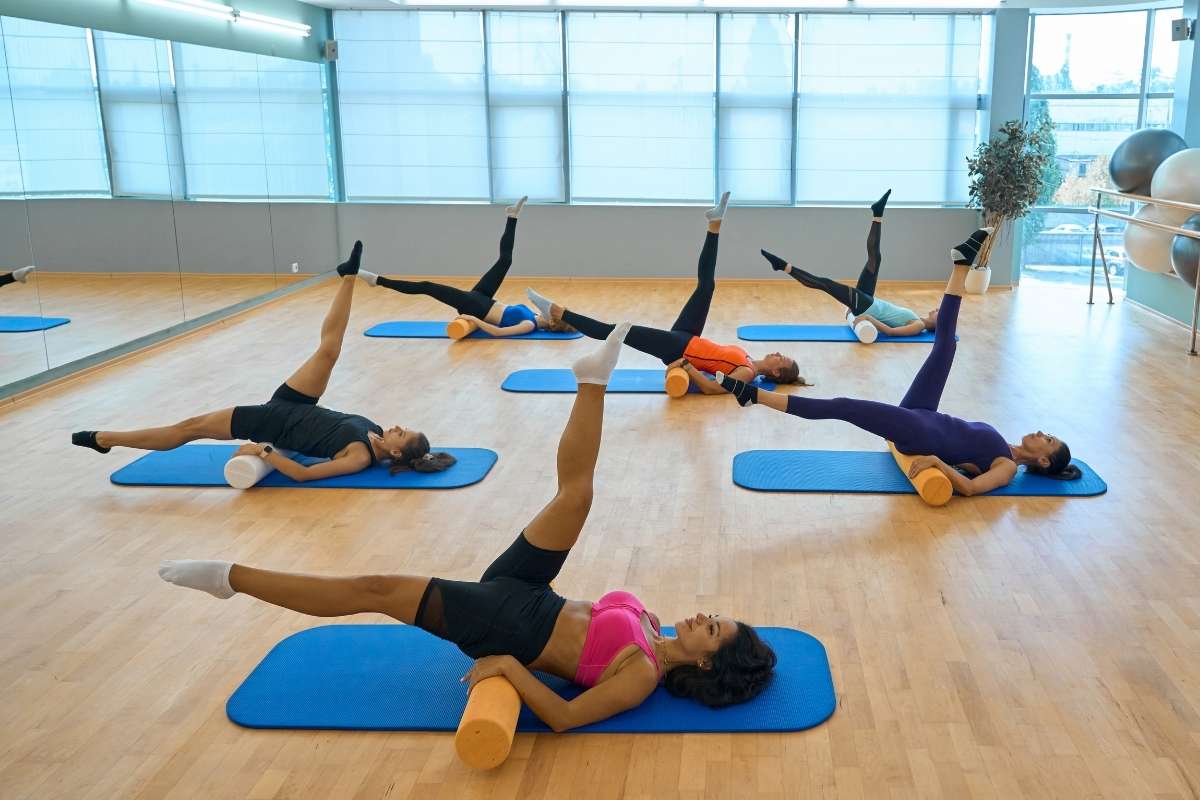
No, exercise cannot cure sleep apnea on its own, but it can meaningfully reduce how severe it is. Research shows that people who move more throughout the week tend to have fewer breathing interruptions at night and better oxygen levels while they sleep. That’s genuinely good news, but it’s not the whole story, and treating exercise as a standalone fix can leave the root problem untouched.
If you’ve been told you snore like a freight train, wake up gasping, or feel like you never get real rest no matter how many hours you log, you’ve probably already searched for ways to fix it without a machine strapped to your face every night. Exercise sounds appealing because it’s free, it’s within your control, and it comes with a hundred other health perks. So let’s break down what it can actually do for sleep apnea, where it falls short, and what a realistic plan looks like.
Quick Answer Before You Dive In
- Exercise reduces sleep apnea severity; it does not eliminate the condition
- Improvements come from fat loss, better muscle tone, and reduced fluid buildup around the airway
- Most clinical benefits show up after three to six months of consistent activity
- People with moderate to severe apnea typically need a clinical treatment alongside lifestyle changes, not instead of them
How Exercise Affects Your Airway
Obstructive sleep apnea happens when the soft tissue at the back of your throat collapses and blocks your airway while you sleep. Several things influence how likely that collapse is: your weight, the tone of the muscles around your throat and tongue, how you breathe, and even how much fluid shifts into your neck when you lie down. Exercise touches more than one of these factors at once.
It Reduces Fat Around the Neck and Upper Airway
Extra tissue in that area narrows the space air needs to pass through. Losing even a modest amount of weight through regular movement can open that space back up.
It Improves Muscle Tone That Supports Breathing
Some studies on resistance training and aerobic exercise have found improvements in throat and tongue muscle function, which helps keep the airway from caving in during sleep.
It Reduces Fluid Buildup in the Legs
When you sit for long stretches during the day, fluid pools in your lower legs. At night, lying flat lets that fluid migrate upward toward your neck, adding pressure to the airway. Regular movement during the day reduces this fluid shift.
It Lowers Overall Inflammation
Chronic inflammation is linked to airway swelling, and consistent physical activity has a calming effect on inflammatory markers throughout the body.
None of these mechanisms erase sleep apnea. They shrink its severity, sometimes by a noticeable margin, sometimes only slightly, depending on the person.
How a Dentist Fits Into the Sleep Apnea Picture
It surprises a lot of people to learn that dentists are often the ones who catch sleep apnea first, sometimes before a doctor does. During a routine exam, a dentist can spot warning signs like a scalloped tongue, worn enamel from nighttime teeth grinding, or a narrow palate, all of which point toward airway issues.
For patients diagnosed with mild to moderate obstructive sleep apnea, or those who can’t tolerate a CPAP machine, a custom oral appliance is often the most practical alternative. These devices gently reposition the jaw and tongue during sleep to keep the airway open, and they’re far more comfortable and portable than most people expect. If you’re exploring options beyond lifestyle changes, our team can walk you through what a personalized sleep apnea treatment plan looks like based on your specific airway and symptoms, so New York patients get a solution built around their actual anatomy rather than a generic fix.
What the Research Actually Shows
A study published in the Journal of Clinical Sleep Medicine, the official publication of the American Academy of Sleep Medicine, looked at data from over 155,000 adults and found that people who exercised more had a lower likelihood of reporting obstructive sleep apnea, with those already diagnosed spending noticeably more hours sitting each week than those without it. The researchers were careful to note that this kind of study can’t prove exercise directly prevents apnea, but it lines up with a growing body of clinical trials showing that structured exercise programs measurably reduce the apnea-hypopnea index, the number used to score how many breathing pauses happen per hour of sleep.
Smaller randomized trials involving supervised aerobic and strength training over several months have reported reductions in apnea severity, improvements in daytime fatigue, and better oxygen saturation overnight, even in participants who didn’t lose significant weight. That last part is worth sitting with. Exercise appears to help the airway independently of weight loss, likely through the muscle tone and fluid shift mechanisms mentioned above.
That said, none of these studies show exercise eliminating sleep apnea. The improvements are real but partial. Most people in these trials still had apnea after the program ended, just a less severe version of it.
Why Exercise Alone Isn’t a Complete Fix
Sleep apnea is a structural and physiological condition, not purely a fitness problem. Someone can be lean, active, and still have a narrow airway, a recessed jaw, or a tongue that sits too far back at night. Genetics, facial structure, and the way your jaw developed all play a role that no amount of running or lifting will change.
This is why dentists trained in sleep medicine look at more than body weight when someone comes in with apnea symptoms. Jaw position, tongue space, and the shape of the airway all factor into whether someone needs a custom oral appliance, a referral for a sleep study, or a combination approach that includes lifestyle changes.
If you’re already active and still waking up exhausted, that’s a signal the airway itself needs a closer look, not a sign that you haven’t exercised hard enough.
Two Levers, Not One: A Realistic Way to Think About Treatment
Picture two levers. One is exercise, weight management, sleep position, and alcohol timing. These are things you control day to day, and they can genuinely take the edge off mild to moderate apnea. The other lever is the physical structure of your airway, which usually needs a clinical intervention, whether that’s a custom-fitted device, positional therapy, or in some cases surgery.
Most people do best pulling both levers at once rather than betting everything on one. Someone with mild apnea might see real, measurable improvement from consistent activity and a few pounds off. Someone with moderate to severe apnea will likely need a device or therapy working alongside those lifestyle changes, not instead of them.
Which Types of Exercise Help Most
Not all movement affects the airway equally. Based on what current research points to:
- Aerobic exercise like brisk walking, cycling, or swimming for at least 150 minutes a week has the most consistent evidence behind it for reducing apnea severity
- Strength training, particularly for the upper body and core, supports better posture and breathing mechanics
- Throat and tongue exercises, sometimes called myofunctional therapy, target the muscles directly responsible for keeping the airway open, and some trials pair this with general exercise for a stronger combined effect
- Avoiding long, uninterrupted sitting during the day matters almost as much as the workouts themselves, since it limits the fluid buildup that later shifts into the neck at night
Consistency beats intensity here. A daily 30-minute walk will likely do more for your airway over six months than sporadic, high-intensity sessions squeezed in once a week.
Signs You Need More Than a New Workout Routine
Pay attention if any of the following sound familiar, since they usually mean lifestyle changes alone won’t be enough:
- You wake up gasping or choking at night
- A partner has noticed pauses in your breathing while you sleep
- You feel exhausted during the day regardless of how many hours you slept
- Morning headaches are a regular occurrence
- You’ve noticed memory lapses or trouble concentrating that weren’t there before
These are signs worth bringing to a professional who can evaluate your airway directly, because at that point, exercise becomes a helpful supporting habit rather than the main plan.
Ready to Breathe Easier at Night?
You don’t have to choose between staying active and getting real answers about your sleep. If workouts alone haven’t changed how you feel in the morning, it might be time for a proper airway evaluation. Visit our dental clinic at 80 Park Avenue Dental in New York, and let’s figure out what’s actually keeping you up at night together.