80 Park Ave STE 1C, New York, NY 10016

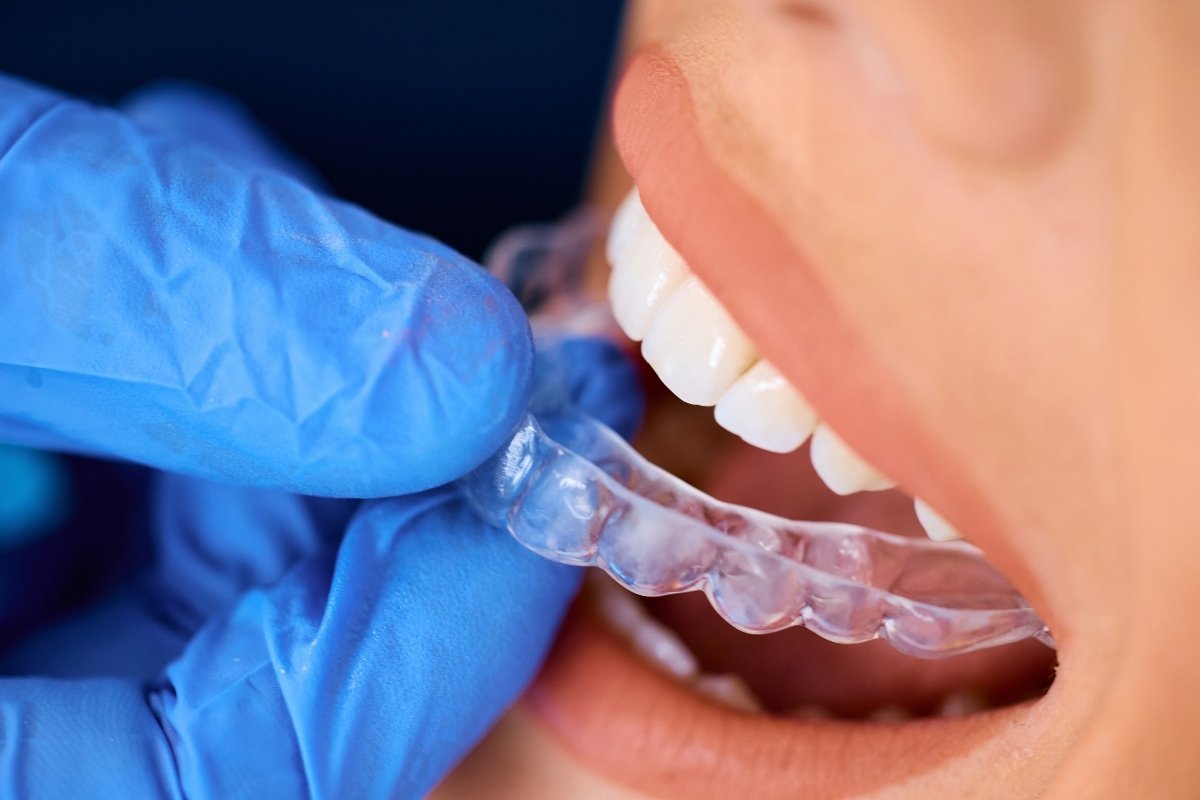
Most adults finish teeth straightening in 12 to 24 months. Mild spacing or minor crowding can wrap up in 6 to 9 months, while complex bite problems can stretch to 30 months or more. Your exact timeline depends on what your teeth are doing now, how far they need to move, and how closely you follow your plan. Here is how each piece plays out.
What is a realistic timeline for an adult?
Think of it in three tiers.
Minor fixes (6 to 9 months). Small gaps, one slightly rotated tooth, or mild crowding, often after an old retainer stopped doing its job.
Moderate cases (12 to 18 months). Noticeable crowding, a mild overbite or underbite, or several teeth that need to shift.
Complex cases (18 to 30 months or more). Significant bite problems, jaw alignment issues, or teeth that need to travel a long way. Some of these cases need a specialist, and a good dentist will tell you that up front.
A dentist can place you in one of these tiers after a digital scan and a bite exam. Anyone who promises an exact finish date before looking at your mouth is guessing.
What makes one adult finish faster than another?
Several factors set your pace, and a few are in your hands.
Distance. A tooth that needs to move two millimeters finishes far sooner than one that has to rotate and slide across the arch.
Bone and gum health. Adult jawbone is denser than a teenager’s, so teeth often respond a bit more slowly. Healthy gums matter even more. If you have gum disease, you need to treat it first, which adds time before anything moves.
Past dental work. Crowns, bridges, and implants do not shift, so your plan has to work around them. Moving teeth later in life is absolutely possible, but it sometimes calls for a gentler pace.
Your daily habits. If you wear aligners 12 hours a day instead of 22, your timeline slides. This is the biggest factor you control.
How long do clear aligners take compared to braces?
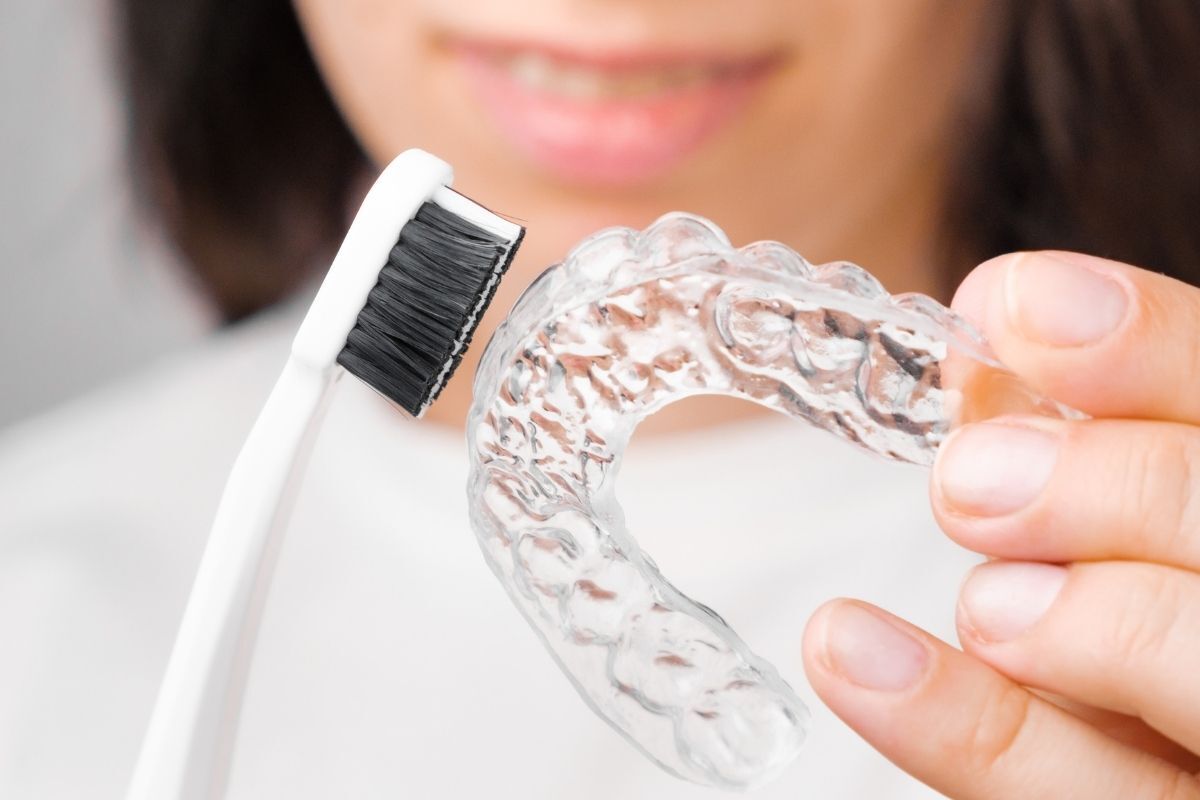
Clear aligners usually finish in 12 to 18 months for mild to moderate cases. You swap to a new tray every one to two weeks, and you need to wear them 20 to 22 hours a day, taking them out only to eat, drink anything besides water, and clean your teeth. Because you can remove them, the pace depends on you more than it would with fixed hardware.
Traditional braces typically run 18 to 24 months, and they tend to suit severe rotations or major bite corrections. They are not the right fit for everyone, and aligners are not either. Your case decides it, not a trend.
If you are in New York and want to see whether invisalign treatment fits your bite, you can explore your options with a dentist who reviews your scans and tells you honestly what to expect.
Why does it sometimes take longer than the estimate?
Delays rarely appear out of nowhere. The usual causes:
Aligners sitting in the case instead of in your mouth. This one tops the list.
Skipped or late check-ins, which push adjustments back.
Lost or cracked trays that stall movement while you wait for a replacement.
Refinements. Teeth do not always move exactly as the software predicts, so some patients need an extra set of trays to polish the last stretch. That is common and not a sign something went wrong.
New dental issues, such as a cavity or gum inflammation, need to be handled before moving on.
What happens after the aligners come off?
Moving your teeth is only half the job. The second half is wearing your retainer, because teeth naturally drift back toward their old spots.
Most adults wear a retainer full time for the first few months, then switch to nights only. Plan on nighttime retainer wear for the long haul. Skip it, and you may end up doing the whole process again.
Can you speed things up?
You cannot rush biology, but you can stop wasting time.
Wear every tray for the full recommended hours, every single day.
Keep your appointments, and call early if a tray cracks or goes missing.
Brush and floss well. Cavities and gum problems cause some of the most avoidable delays.
Switch trays on schedule, and never skip ahead to catch up.
Ask about extras, like chewies that help trays seat fully, and find out whether any add-ons make sense for your case.
Ready to Find Out How Long Your Smile Will Take?
Online averages only go so far, and your teeth have their own story. Visit our dental clinic, and the team at 80 Park Avenue Dental in New York will scan your smile, walk you through your options, and give you a clear, honest timeline. Book your consultation today and take the first step toward a smile you actually want to show off.
FAQs :
1. Is it too late to straighten my teeth at 40, 50, or 60?
No. Healthy teeth and gums can move at any age. Your oral health matters more than your birthday.
2. Will I take longer than a teenager would?
Sometimes. Adult bone is denser, so movement can run slightly slower, and past dental work can add complexity.
3. Do clear aligners always finish sooner than braces?
No. They often win on mild cases, but complex bite corrections can move faster with braces.
4. How often will I need check-ins?
Most aligner patients visit every 6 to 10 weeks, with digital scans in between.
5. How long will I wear a retainer?
Full-time for the first few months, then at night for as long as you want to keep your results.
6. Can I stop partway through?
You can, but your teeth will likely shift back, and your bite may end up worse than before. Talk with your dentist before making that call.