80 Park Ave STE 1C, New York, NY 10016


Yes, orthodontic treatment may help relieve jaw pain and headaches when an uneven bite or tooth misalignment is contributing to muscle and jaw strain. By improving how the upper and lower teeth come together, orthodontics can create a more balanced bite and may reduce stress on the jaw muscles. However, not every headache or type of jaw pain is caused by orthodontic problems, so an evaluation is important before deciding whether treatment is appropriate.
How Your Bite Can Affect Your Jaw and Head
Your jaw joints, called the temporomandibular joints (TMJs), help your lower jaw move when you chew, speak, and yawn. These movements depend on your teeth, jaw joints, and surrounding muscles working together.
When your bite is significantly misaligned, your jaw muscles may have to work differently to help your teeth come together. Over time, this can contribute to tension or discomfort in some people.
Possible symptoms include:
- Jaw soreness or stiffness
- Pain or fatigue when chewing
- Clicking or popping when opening the mouth
- Headaches around the temples
- Facial muscle tension
- Neck or shoulder discomfort
A misaligned bite does not automatically mean it is causing your symptoms. Your dentist or orthodontist needs to evaluate your bite and jaw function to determine whether there is a connection.
Can an Overbite or Underbite Cause Headaches?
An overbite or underbite can affect the way your upper and lower teeth meet and how your lower jaw moves. If the bite is significantly uneven, the surrounding muscles may compensate during chewing and other jaw movements. For some people, this may contribute to jaw tension and tension-type headaches.
Overbite and Headaches
A pronounced overbite can change how the teeth contact each other and how the lower jaw moves. If the bite is contributing to muscle strain, correcting the underlying alignment problem may help improve comfort.
Underbite and Headaches
An underbite can also affect normal bite function. When the teeth do not meet in a balanced way, the jaw may have to adapt during chewing. Orthodontic treatment may help improve the relationship between the upper and lower teeth when an underbite is contributing to the problem.
An overbite or underbite is not a guaranteed cause of headaches. Headaches can also result from migraines, stress, sinus problems, dehydration, sleep issues, and other conditions.
Can Braces Help With Jaw Pain and Headaches?
Braces may help when jaw discomfort or headaches are related to a significant bite or alignment problem. As braces gradually move the teeth, they can improve how the upper and lower teeth fit together.
A more balanced bite may help reduce uneven stress on the muscles involved in chewing. Some patients may notice that jaw discomfort or tension-type headaches become less frequent as treatment progresses.
However, braces are not a general treatment for headaches. If your headaches have another cause, orthodontic treatment may not provide relief. That is why identifying the source of your symptoms is an important first step.
How Orthodontic Treatment May Reduce Jaw Muscle Strain
When teeth do not meet evenly, the jaw muscles may have to work differently to help you bite and chew. If an orthodontic problem is contributing to that imbalance, improving the bite may create a more comfortable pattern of jaw movement.
The goal of orthodontic treatment is not simply to make teeth look straighter. Treatment can also address problems with how the teeth fit together and function.
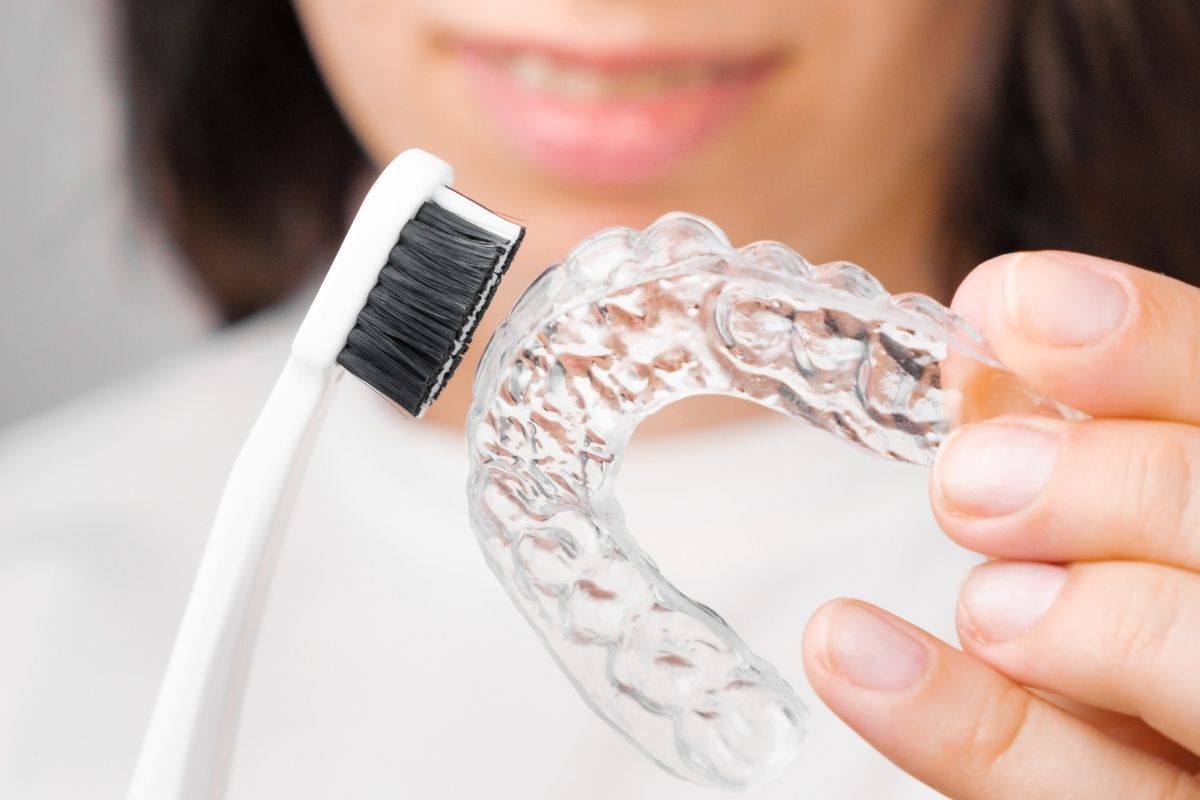
Depending on your needs, treatment may involve braces, clear aligners, or another orthodontic approach. Your orthodontist will determine which option is appropriate based on your bite and overall oral health.
Signs Your Jaw Pain May Be Related to Your Bite
Certain patterns may suggest that your bite is playing a role in your discomfort.
You may notice:
- Headaches that become worse after prolonged chewing
- Jaw soreness or stiffness after waking
- Teeth that feel uneven when you bite down
- Difficulty finding a comfortable bite
- Jaw fatigue while eating
- Pain or tenderness around the jaw
- Clicking or popping when moving the jaw
These symptoms do not prove that orthodontic problems are responsible. They simply provide reasons to have your bite and jaw function evaluated.
What Happens During an Orthodontic Evaluation for Jaw Pain?
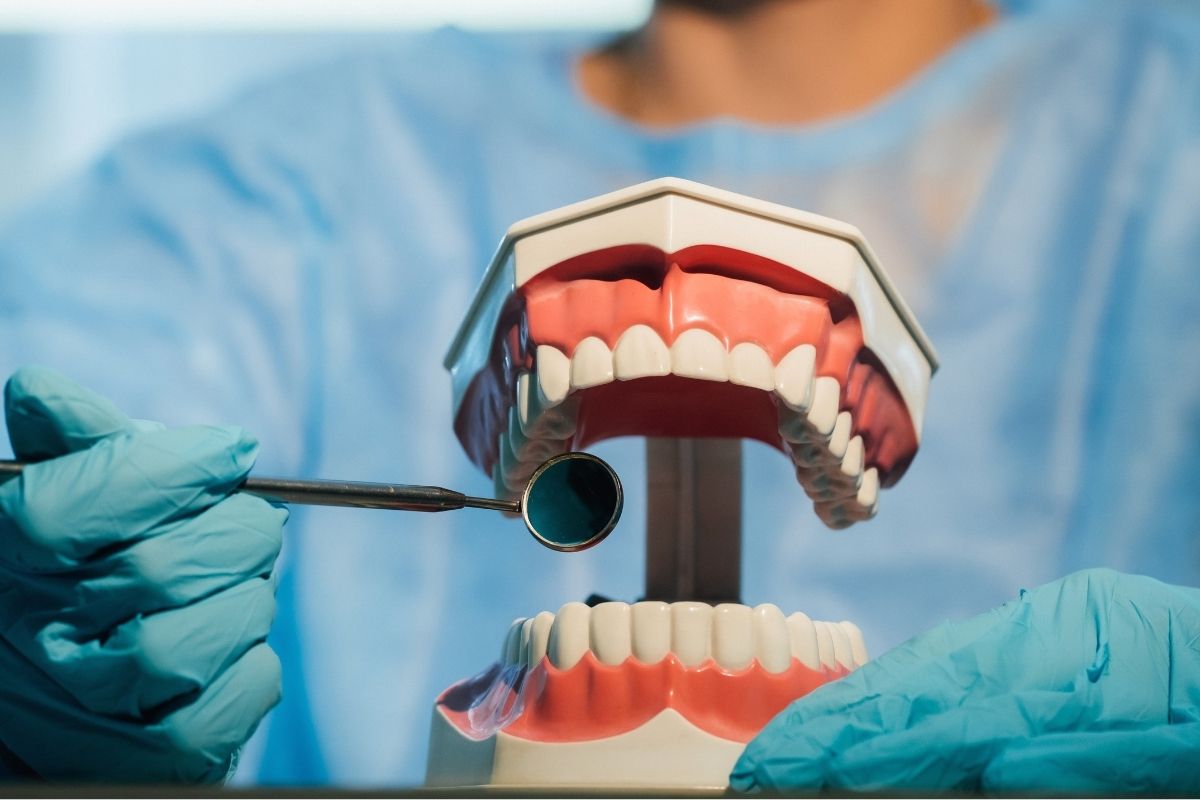
An evaluation looks beyond whether your teeth appear straight. Your dentist or orthodontist may examine how your upper and lower teeth meet, how your jaw moves, and whether there are signs of muscle tenderness or excessive wear.
They may also look for bite problems such as:
- Overbite
- Underbite
- Crossbite
- Open bite
- Significant crowding
- Other alignment concerns
In some situations, dental imaging may be recommended to provide additional information about the teeth, jaw, or surrounding structures.
This evaluation helps determine whether orthodontic treatment could address an underlying bite problem or whether another type of dental or medical evaluation is more appropriate.
When Orthodontics May Not Be the Answer
Jaw pain and headaches can have many causes. Tooth problems, nighttime grinding or clenching, inflammation, stress, migraines, and disorders involving the jaw joints can all contribute to discomfort.
If your symptoms are caused by something other than tooth or bite alignment, straightening the teeth alone may not resolve them.
Depending on the cause, your care may involve other measures, such as:
- A custom night guard for certain grinding or clenching problems
- Guidance on jaw exercises or habits
- Treatment for an underlying dental problem
- Evaluation of the jaw joints
- Referral for further medical assessment when appropriate
The right treatment depends on what is actually causing the pain.
Is Orthodontic Treatment Right for Your Jaw Pain?
Orthodontic treatment can be helpful when a significant bite or alignment problem is contributing to jaw strain and related headaches. But because jaw pain has many possible causes, treatment should begin with an evaluation rather than assuming that braces or clear aligners are the solution.
If you regularly experience jaw pain, headaches after chewing, morning jaw soreness, or other signs of an uneven bite, an orthodontic evaluation can help you understand whether alignment may be contributing to your symptoms.
Get Your Jaw Pain Evaluated at 80 Park Avenue Dental
You do not have to keep ignoring recurring jaw discomfort or headaches. At 80 Park Avenue Dental, the team can evaluate your bite, tooth alignment, and overall oral health to help determine what may be contributing to your symptoms.
If you are experiencing jaw pain or headaches and think your bite may be involved, schedule an evaluation with 80 Park Avenue Dental to discuss your symptoms and possible treatment options.