80 Park Ave STE 1C, New York, NY 10016

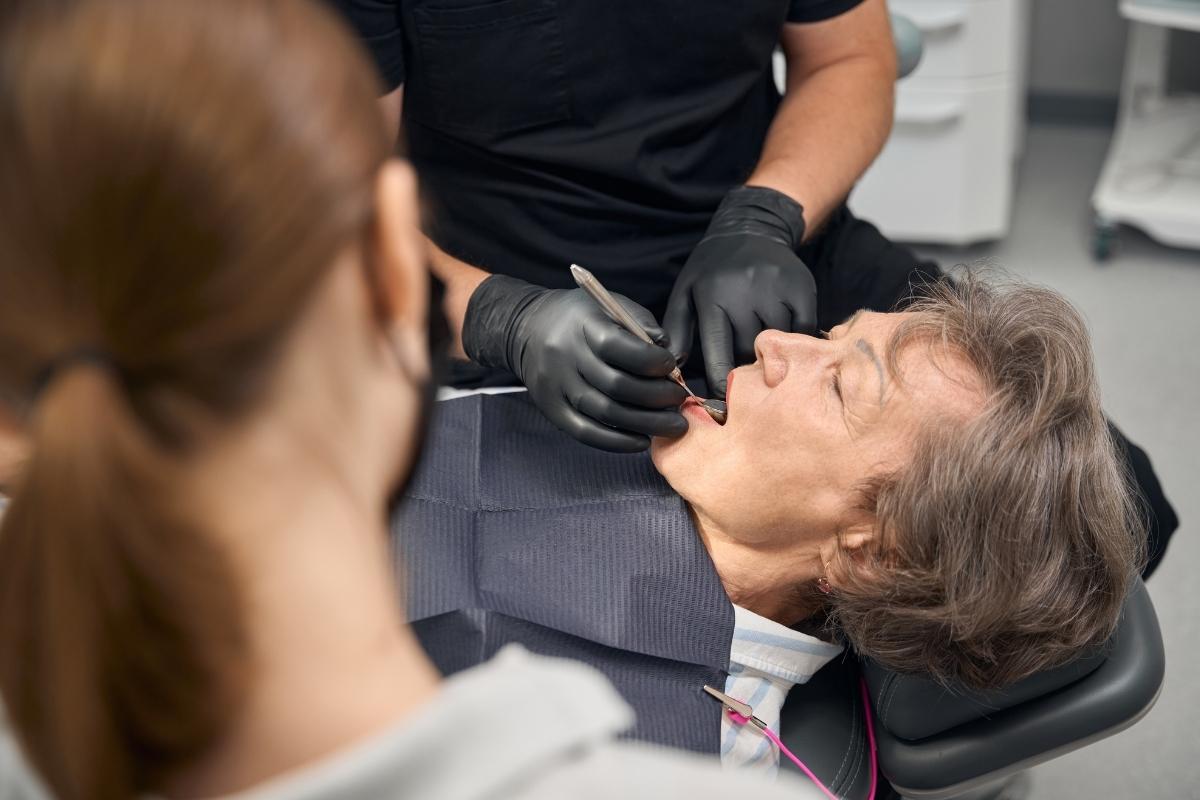
The main warning signs are persistent pain, an implant that feels loose, swollen or bleeding gums, pus or a bad taste near the implant, receding gums, and trouble chewing. Any of these lasting more than a few days deserves a call to your dentist. Most implants last for decades, and catching a problem early often means a simple fix instead of a replacement.
Which Symptoms Mean Your Implant Is in Trouble?
Your implant should feel like one of your own teeth. When it stops feeling that way, pay attention. Here is what to watch for:
- Pain that lingers or gets worse. Soreness right after surgery is normal. Pain that shows up months later, or that increases after the first week or two, is not.
- Movement. An implant should never wiggle. Even slight looseness means the bond between the implant and your jawbone may be weakening.
- Red, swollen, or bleeding gums. Gums around an implant should look pink and firm. Puffiness, tenderness, or bleeding when you brush often points to infection.
- Pus, a bad taste, or persistent bad breath. These usually signal bacteria building up around the implant post.
- Gums pulling back. If you can see the metal threads or a dark edge of the implant, the tissue and bone supporting it are shrinking.
- Trouble biting or chewing. If a crown suddenly feels too high, shifts, or hurts under pressure, something underneath may have changed.
- Fever or a swollen face. Call your dentist right away if you notice these, since they can mean a spreading infection.
You might notice only one of these at first. Don’t talk yourself out of it because the rest of your mouth feels fine.
What Causes an Implant to Fail?
Failures fall into two groups. Early failure happens in the first few months, when the implant never fuses properly with the bone. Late failure shows up months or years later, after the implant has been working fine.
The usual culprits include:
- Infection around the implant. Dentists call this peri-implantitis. It works like gum disease, but it attacks the tissue and bone holding your implant in place. It causes more late failures than anything else.
- Smoking and tobacco use. Smoking cuts blood flow to your gums and slows healing, which raises your risk noticeably.
- Uncontrolled diabetes or other health conditions. Poor blood sugar control makes infections harder to fight and healing slower.
- Not enough bone. If your jaw lacked the density to hold the implant securely, it may never anchor well.
- Heavy teeth grinding. Constant pressure at night can strain the implant and loosen it over time.
- Skipping cleanings and daily care. Plaque builds up around implants just like it does around natural teeth.
- Certain medications. Some drugs that affect bone health or immunity can interfere with healing.
Is Some Discomfort Normal, and How Common Is Failure?
Some discomfort is normal. Expect mild swelling, tenderness, and a little bruising for several days after surgery. That should fade steadily. If your symptoms improve and then return, or never improve at all, treat that as a flag.
The odds are on your side. Studies generally report success rates around 90 to 95 percent over ten years. That means problems are uncommon, but they do happen, and the people who do best are the ones who report symptoms early.
What Should You Do If You Think Your Implant Is Failing?
Move quickly, and keep it simple:
- Call your dentist and describe your symptoms. Mention when they started and whether they are getting worse.
- Schedule an exam and X-rays. Your dentist needs to check the bone level and the condition of the gums around the implant.
- Avoid chewing on that side. Extra pressure can speed up damage.
- Keep the area clean. Brush gently and rinse with warm salt water. Skip aggressive scrubbing.
- Don’t try to tighten or remove anything yourself. You can make the damage worse.
If you live in New York, any experienced implant dentist can evaluate you, but don’t let a busy schedule push the visit back. A few weeks can be the difference between saving the implant and losing bone.
Can a Failing Implant Be Saved or Replaced?
Often, yes. It depends on how far the problem has progressed.
When the issue is caught early, treatment may be as simple as a deep cleaning of the area and a course of antibiotics. If infection has damaged the bone, your dentist may recommend a minor surgical cleanup and bone grafting to rebuild the support around the implant. A crown that has loosened can usually be tightened or replaced without touching the implant itself.
If the implant can’t be saved, your dentist will remove it and let the area heal. Many patients can receive a new implant after a few months, sometimes with a bone graft first. Failure of one implant doesn’t mean you can’t ever have another. The cause matters, and once it is identified and corrected, the second attempt often succeeds.
How Can You Protect Your Implant for the Long Run?
- Brush twice a day and floss daily. Interdental brushes or water flossers work well around implants.
- Keep your checkups and cleanings on schedule. Your dentist can spot bone loss before you feel anything.
- Quit smoking. It is one of the biggest favors you can do for your implant.
- Wear a night guard if you grind your teeth. It absorbs force that would otherwise hit your implant.
- Manage chronic conditions like diabetes. Stable health supports stable implants.
Noticing Something Off? Let’s Check It Out Together
Don’t wait for a minor twinge to become a major problem. Visit our dental clinic and let our team examine your implant, answer your questions, and map out a clear plan. 80 Park Avenue Dental welcomes patients across New York, and we would love to help you keep your smile strong. Book your appointment today.
FAQs
1. How long does it take for an implant to fail?
It varies. Early failures appear within the first few months of healing. Late failures can show up after years of normal function, usually because of infection or bone loss.
2. Can a loose implant tighten on its own?
No. A loose implant almost always signals that the bone has weakened, and it needs professional care.
3. Does a failing implant always hurt?
Not always. Some people feel little or no pain at first, which is why swelling, bleeding, or movement matter just as much.
4. Will my insurance cover a replacement implant?
Coverage depends on your plan. Ask your dental office to check your benefits before treatment starts.
5. Can I get a new implant after one fails?
Many patients can. Your dentist will find out why the first implant failed and fix that issue, sometimes with a bone graft, before placing another.