80 Park Ave STE 1C, New York, NY 10016

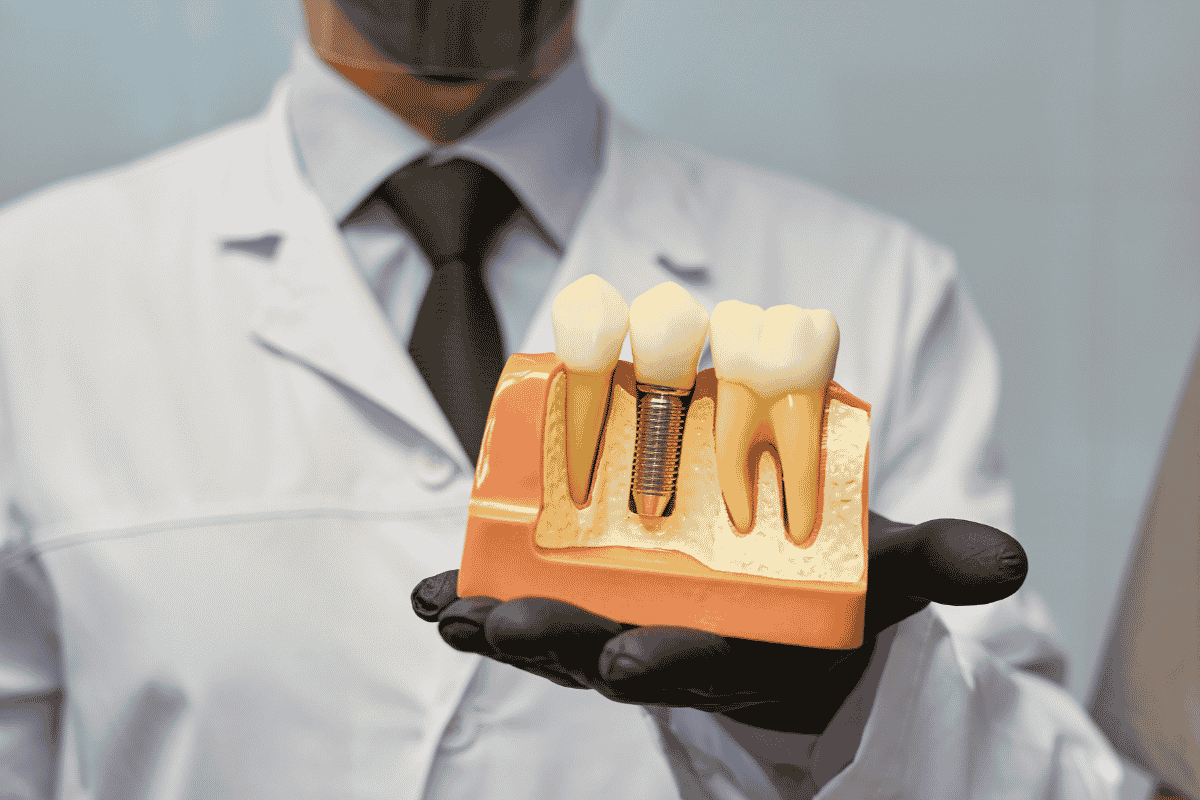
If you are missing one or more teeth, have healthy gums, and enough jawbone to support a replacement tooth, you may be a good candidate for treatment. Good overall health and a commitment to caring for your smile are also important factors. While every patient is different, several signs can help you determine whether this option is right for you.
If you are new to implant treatment, explore our complete guide to dental implants to learn how the procedure works, its benefits, and what to expect from start to finish.
5 Signs You May Be a Good Candidate
1. You Are Missing One or More Teeth
Whether you have lost a single tooth or multiple teeth, replacing those gaps can help restore your smile and improve daily functions such as chewing and speaking. Leaving missing teeth untreated can also affect the position of neighboring teeth over time.
2. Your Gums Are Healthy
Healthy gums provide the support needed for successful treatment. If you have active gum disease, your dentist may recommend treating it before moving forward. A healthy foundation helps improve long-term outcomes and supports overall oral health.
3. You Have Enough Jawbone Support
A strong jawbone is one of the most important requirements. The jawbone helps hold the replacement tooth securely in place. If bone loss has occurred after tooth loss, additional treatment may be recommended to strengthen the area before proceeding.
4. You Practice Good Oral Hygiene
Daily brushing, flossing, and regular dental visits play an important role in maintaining your oral health. Patients who consistently care for their teeth and gums are often better prepared for long-term success.
5. Your Overall Health Is Good
Certain medical conditions can affect healing and recovery. During your consultation, your dentist will review your medical history to determine whether any health concerns need to be addressed before treatment begins.
Lifestyle Factors to Consider
Even if you meet the basic requirements, your lifestyle can influence treatment success.
Tobacco Use
Tobacco use can slow healing and increase the risk of complications. Patients who quit or reduce tobacco use often experience better outcomes.
Long-Term Oral Care
Replacement teeth require the same attention as natural teeth. Maintaining good oral hygiene and attending regular dental checkups are essential for protecting your investment and supporting long-term oral health.
Treatment Timeline
The process takes time and may involve multiple appointments. Healing periods are often necessary to ensure the best possible result. Understanding the commitment involved can help you make an informed decision.
When You May Need a Different Solution
Not everyone is an immediate candidate. Severe gum disease, significant bone loss, or certain uncontrolled health conditions may require additional treatment before moving forward. In many cases, these issues can be addressed with proper planning and care.
The Best Way to Find Out
The only way to know for sure whether this treatment is right for you is through a professional evaluation. A comprehensive dental exam allows your dentist to assess your oral health, review your goals, and recommend the most appropriate treatment option for your smile.
Ready to Restore Your Smile?
If you are considering tooth replacement and want expert guidance, schedule a consultation with 80 Park Avenue Dental. Our experienced team will evaluate your needs, answer your questions, and help you explore your options. Visit our dental office in New York, we are here to help you achieve a healthier, more confident smile.
Frequently Asked Questions :
Can I qualify if I lost a tooth years ago?
Possibly. Your dentist will evaluate your jawbone and determine whether additional treatment is needed before proceeding.
Does age affect eligibility?
Age alone is usually not the deciding factor. Oral health, bone support, and overall health are often more important considerations.
How long does the process take?
Treatment timelines vary depending on individual needs and healing requirements.
Can smokers receive treatment?
Some smokers may still qualify, but tobacco use can increase the risk of complications and affect healing.
What is the first step?
The first step is a comprehensive consultation to evaluate your oral health and discuss the most appropriate treatment options.