80 Park Ave STE 1C, New York, NY 10016

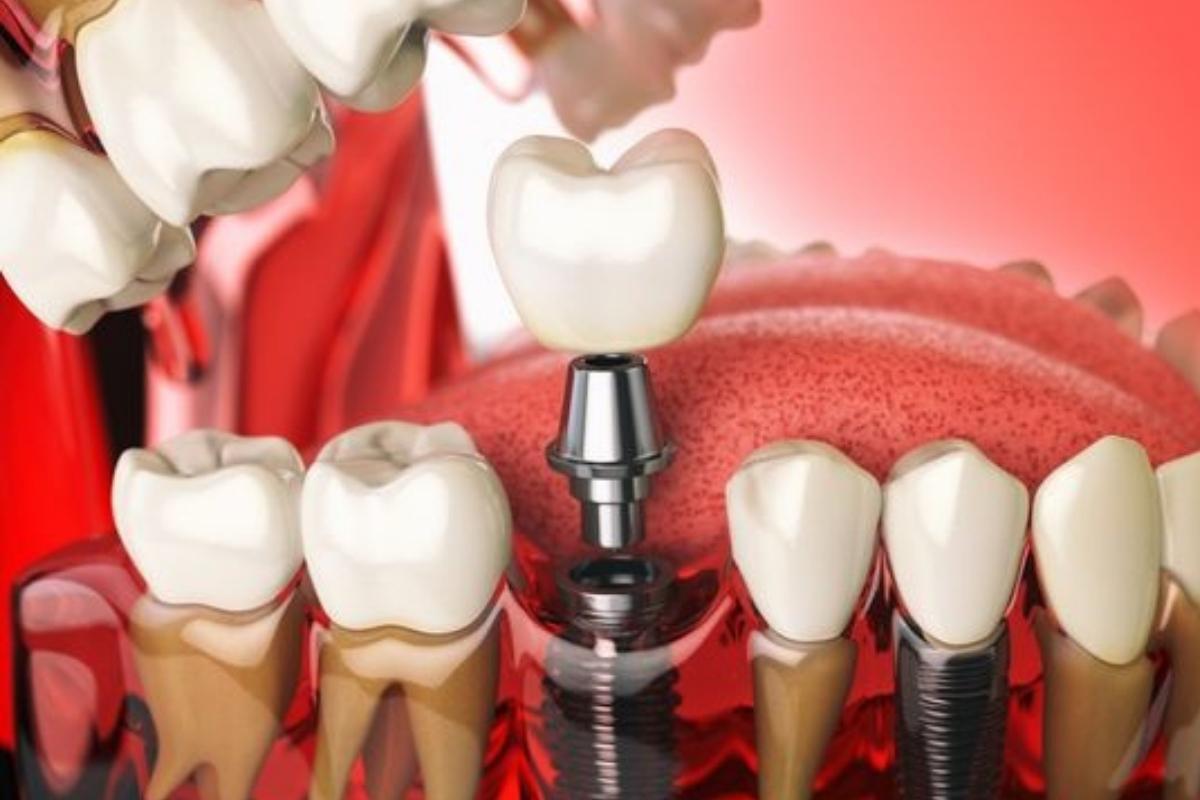
A missing tooth can affect more than your appearance. It may make chewing difficult, change the way you speak, and lead to jawbone loss over time. Dental implants are one of the most effective ways to replace missing teeth because they restore both the visible tooth and its root. They look natural, feel secure, and help support your long-term oral health.
This guide covers the basics of dental implants, including their benefits, who may be a candidate, and what to expect during treatment. If you are considering Dental Implant surgery, this overview will help you better understand your options.
What Are Dental Implants?
A dental implant is a small titanium post that replaces the root of a missing tooth. It is placed into the jawbone, where it gradually fuses with the bone to create a stable foundation for a replacement tooth. Once healing is complete, a custom crown, bridge, or denture is attached to restore your smile.
Unlike traditional tooth replacement options, implants help maintain jawbone health while providing a secure and natural-feeling result.
Why Choose Dental Implants?
Dental implants do more than replace missing teeth. They also help protect your oral health and improve everyday comfort.
Some of the benefits include:
- Restoring your ability to bite and chew comfortably
- Looking and feeling like natural teeth
- Helping preserve the jawbone after tooth loss
- Preventing nearby teeth from shifting
- Supporting clearer speech
- Providing a stable, long-lasting solution with proper care
Because implants replace the tooth root, they help maintain the bone structure that supports your facial appearance.
Are Dental Implants Right for You?
Many adults with missing teeth are good candidates for dental implants. During your consultation, your dentist will examine your teeth, gums, and jawbone to determine whether this treatment is right for you.
You may be a candidate if you:
- Have one or more missing teeth
- Have healthy gums
- Have enough jawbone to support an implant
- Practice good oral hygiene
- Do not have untreated gum disease
Even if you have experienced some bone loss or have certain health conditions, implant treatment may still be possible after a thorough evaluation.
Want to learn more? Read our guide on whether you are a good candidate for dental implants to understand what dentists look for before recommending treatment.
Will You Need Bone Grafting?
Not every patient has enough healthy jawbone to support an implant. If bone has been lost after a tooth extraction or because a tooth has been missing for a long time, your dentist may recommend bone grafting before implant placement.
Bone grafting helps rebuild the jaw and creates a stronger foundation for successful implant treatment. Your dentist will determine whether this step is necessary during your evaluation.
Learn more in our article on when a bone graft may be needed before dental implant treatment.
What Types of Dental Implants Are Available?
Dental implants can replace one missing tooth, several missing teeth, or even a full arch of teeth.
Common treatment options include:
- Single tooth implant: Replaces one missing tooth with a custom crown.
- Implant-supported bridge: Replaces several missing teeth without placing an implant for every tooth.
- Implant-supported denture: Provides added stability for patients missing most or all of their teeth.
Your dentist will recommend the option that best fits your oral health, lifestyle, and smile goals.
What to Expect During Treatment
Dental implant treatment takes place over several appointments. It begins with a consultation and treatment planning, followed by implant placement. Over the next few months, the implant bonds with the jawbone as it heals. Once the area has healed, a custom restoration is attached to complete your smile.
Although the process takes time, most of it is dedicated to healing, helping create a strong and lasting result.
Recovery and Healing
Most patients return to their normal routine within a day or two after implant placement. Mild swelling, tenderness, and discomfort are common during the first few days and usually improve as the area heals.
The implant continues to bond with the jawbone over the following months. Attending follow-up appointments and following your dentist’s instructions help support a smooth recovery and long-term success.
How to Keep Your Dental Implants Healthy
Dental implants require the same daily care as natural teeth. Brushing twice a day, flossing, and scheduling regular dental checkups help keep your gums healthy and protect your implant.
Consistent oral hygiene also lowers the risk of complications and helps your implant last as long as possible.
For detailed maintenance tips, read our guide on how to care for your dental implants.
How Long Do Dental Implants Last?
Dental implants are designed to be a long-term solution for missing teeth. With proper oral hygiene and routine dental care, the implant itself can last for decades. The crown may eventually need replacement because of normal wear, but the implant can continue to provide reliable support for many years.
Dental Implants Compared With Other Tooth Replacement Options
| Treatment | Replaces the Tooth Root | Helps Preserve Jawbone | Fixed in Place |
| Dental Implant | Yes | Yes | Yes |
| Dental Bridge | No | No | Yes |
| Removable Denture | No | No | No |
Every patient has unique needs, so the best option depends on your oral health, the number of missing teeth, and your treatment goals.
Ready to Restore Your Smile?
Missing teeth can affect your confidence, comfort, and overall oral health, but you do not have to live with the gap. If you are considering Dental Implants in New York, visit our dental clinic to discuss your options and receive a personalized treatment plan. The experienced team at 80 Park Avenue Dental is proud to help patients in New York achieve healthy, natural-looking smiles with customized care.
Frequently Asked Questions :
1. Are dental implants painful?
The procedure is performed with local anesthesia, so you should not feel pain during treatment. Mild soreness afterward is common and usually improves within a few days.
2. How long does the dental implant process take?
The complete process often takes several months because the implant needs time to fuse with the jawbone before the final restoration is placed. Your dentist will explain the timeline based on your treatment plan.
3. Can dental implants replace more than one missing tooth?
Yes. Dental implants can support a single crown, a bridge, or a full denture, depending on how many teeth need to be replaced.
4. What happens if I do not replace a missing tooth?
Leaving a missing tooth untreated can lead to shifting teeth, bone loss, bite changes, and difficulty chewing. Replacing the tooth early helps maintain your oral health and function.