80 Park Ave STE 1C, New York, NY 10016

Tobacco stains are different from ordinary food and drink stains. Nicotine and tar don’t just sit on the surface of the enamel — over time, they seep into the tiny pores of the tooth, creating a yellow-to-brown discoloration that gets darker and harder to shift the longer you smoke. Brushing twice a day and whitening toothpaste can slow this down, but they rarely undo years of buildup. That’s where professional teeth whitening for smokers comes in: a dentist-supervised treatment strong enough to break down set-in tobacco stains that at-home products can’t reach.
Why Tobacco Stains Are Harder to Remove
Regular stains from coffee or wine sit mostly on the outer enamel and can often be polished away during a routine cleaning. Tobacco stains behave differently for two reasons:
- Tar is sticky and pigmented. It clings to the microscopic ridges in enamel and hardens over repeated exposure.
- Nicotine reacts with oxygen once it’s in the mouth, turning from colorless to yellow-brown — which is why the discoloration deepens the longer someone smokes, rather than staying constant.
This combination means tobacco staining often becomes intrinsic (inside the tooth) rather than just extrinsic (on the surface), which is exactly the kind of discoloration that needs a professional-strength approach.
How Professional Whitening Removes Tobacco Stains
In-office whitening uses a peroxide-based gel — typically hydrogen peroxide or carbamide peroxide at a much higher concentration than anything sold over the counter. The peroxide penetrates the enamel and oxidizes the stain molecules, breaking them into smaller, colorless compounds. This is what allows it to lift discoloration that has already worked its way below the surface, rather than just cleaning what’s on top of it.
In-Office Whitening vs. Take-Home Trays: Which Is Better for Smokers?
Dentists typically offer two professional options, and heavy tobacco staining often responds best to a combination of both:
| Option | Best for | Typical timeline |
|---|---|---|
| In-office whitening | Deep, long-standing tobacco stains | One visit, about 60–90 minutes |
| Custom take-home trays | Maintaining results or milder staining | 1–2 weeks of nightly use |
Many dentists recommend an in-office session first to break through heavy tar buildup, followed by custom trays for touch-ups every few months — since smokers tend to redevelop surface stains faster than non-smokers.
What to Expect During a Professional Whitening Session
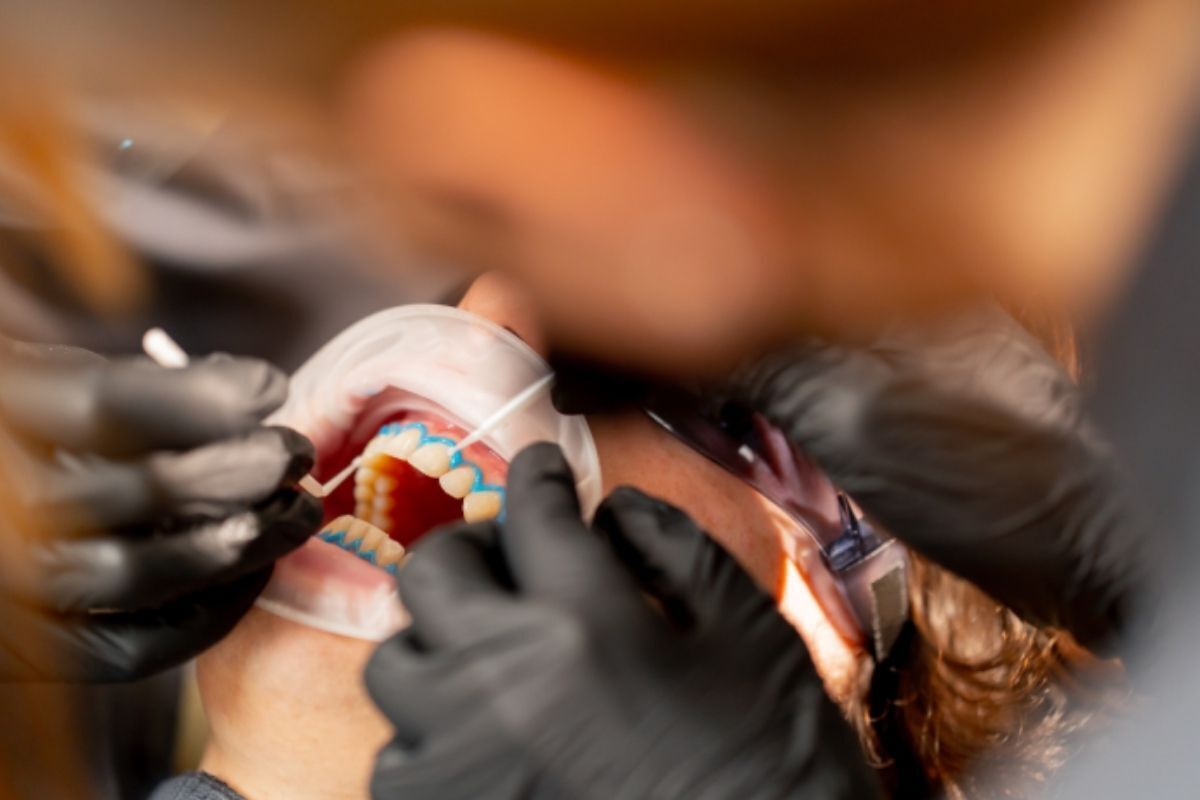
- Evaluation – Your dentist checks how deep the staining goes and whether it’s mostly surface-level or has set into the enamel.
- Cleaning (if needed) – Surface tar and plaque are often removed first, so the whitening gel can work on the stain underneath rather than through it.
- Gel application – A whitening gel is applied and, in many offices, activated with a special light to speed up the reaction.
- Multiple cycles – The gel is typically reapplied in short cycles over the course of the appointment for maximum lift.
Most patients walk out with visibly whiter teeth the same day, though very dark tobacco staining may need a second session for full results.
Personalized Care and Safety
Because tobacco stains vary so much in depth and severity, your dentist will adjust the gel strength, application time, and number of cycles specifically to your case — something an over-the-counter kit can’t do. This also matters for safety: peroxide concentrations strong enough to break down years of tar can irritate gums if not applied correctly, so professional supervision reduces the risk of sensitivity or soft-tissue damage that DIY kits sometimes cause.
How to Keep Tobacco Stains From Coming Back
This is the part smokers usually want to know and often isn’t covered: whitening removes existing stains, but it doesn’t stop new ones from forming if smoking continues. To make results last:
- Rinse or brush within a few hours of smoking, before nicotine has time to oxidize and set.
- Use a whitening toothpaste with mild abrasives between professional visits to manage surface buildup.
- Avoid other staining habits (coffee, red wine, tea) right after whitening, when enamel is temporarily more porous and stain-prone.
- Book maintenance touch-ups every 4–6 months with take-home trays rather than waiting until stains are heavy again.
How Long Do Results Last for Smokers?
For non-smokers, results commonly last six months to a year. Smokers should expect shorter intervals — often three to six months — before new surface staining starts to show, simply because tobacco exposure resumes immediately after treatment. Regular touch-ups are the main way to stay ahead of it.
Ready for a Brighter Smile?
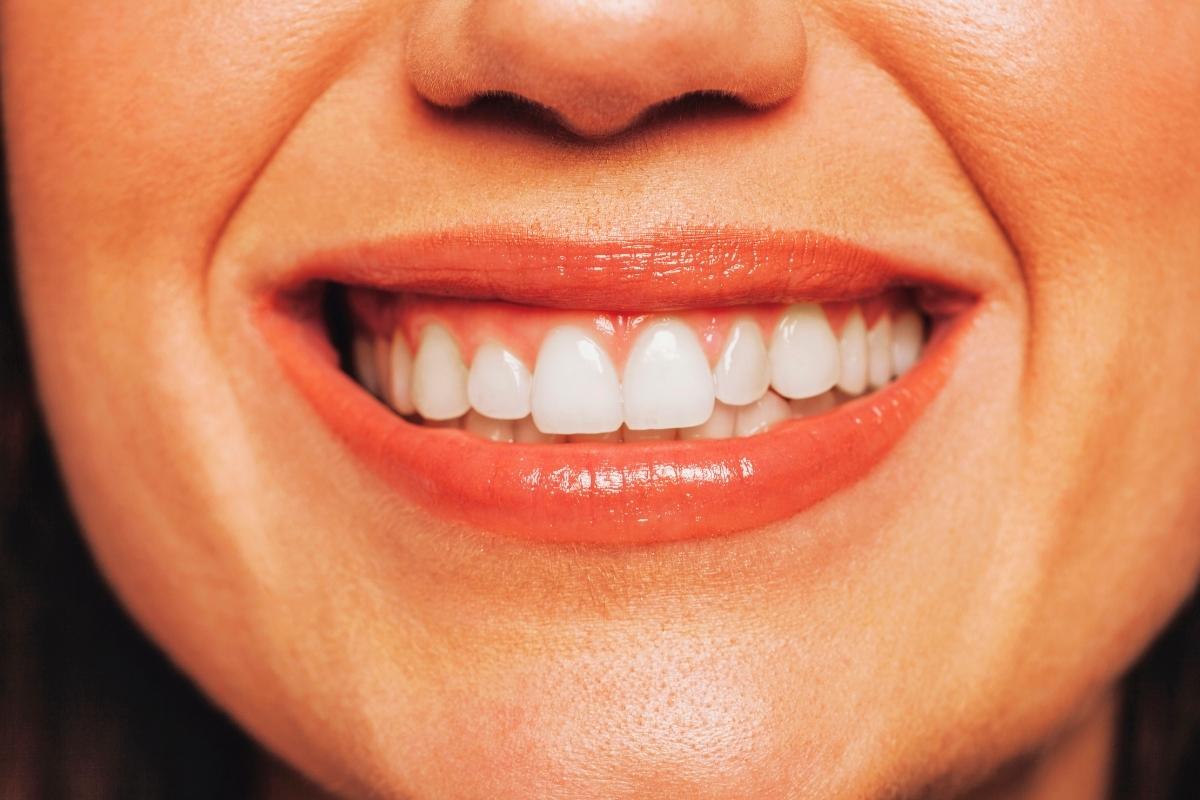
If years of smoking have left your teeth looking yellow, brown, or dull, professional whitening can safely remove stains that brushing and OTC kits can’t touch — and your dentist can build a maintenance plan around your habits so the results actually last.
Schedule a Consultation Today! Visit 80 Park Avenue Dental in New York, NY, and take the first step toward a whiter, healthier smile. Our team will evaluate your staining and recommend the right combination of in-office and take-home whitening for your needs.
FAQs :
1. Is professional whitening safe for smokers?
Yes. Dentists control the peroxide concentration and monitor the treatment throughout, which protects the gums and enamel even when treating heavy tobacco staining.
2. How long does a professional whitening session take?
A typical session runs about 60–90 minutes and is done in a single visit, though very deep tobacco stains may need a follow-up appointment.
3. How long will the results last?
Generally six months to a year for most patients, but smokers often need touch-ups every three to six months since new staining begins as soon as smoking resumes.
4. Can at-home kits remove tobacco stains as well as professional treatment?
Not usually. OTC kits use much weaker peroxide levels and work slowly on surface stains, while tobacco discoloration is often set deeper into the enamel and needs professional-strength gel to fully break down.
5. Will professional whitening damage my teeth?
No, not when performed by a trained dentist. The main side effect is temporary sensitivity, not damage to the tooth structure.
6. How soon after smoking can I get my teeth whitened?
It’s best to avoid smoking for at least 24–48 hours before treatment so recent nicotine and tar residue doesn’t interfere with even whitening.
7. Can I smoke again right after whitening?
It’s best to wait at least 24 hours. Enamel is more porous immediately after treatment, so tobacco exposure during that window can cause faster re-staining than usual.