80 Park Ave STE 1C, New York, NY 10016

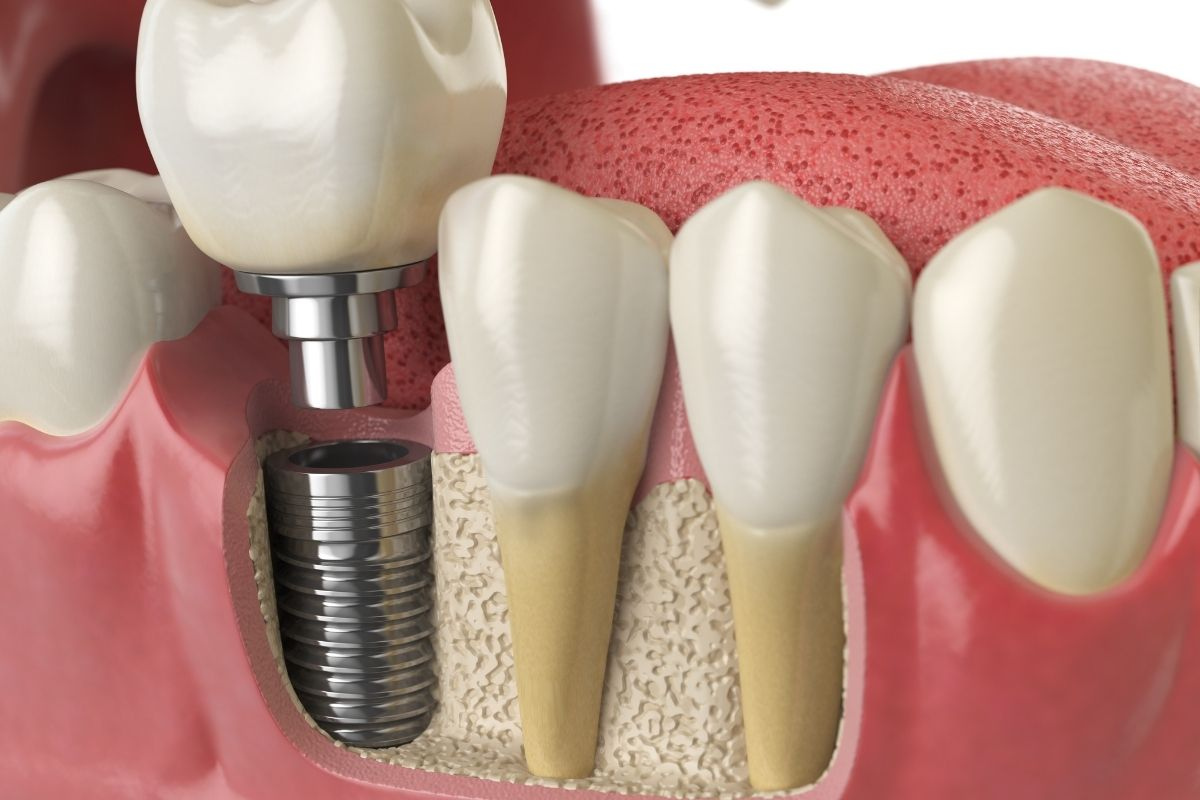
Preparing for implants when you have diabetes requires careful planning and consistent health management. Blood sugar control plays a major role in healing, infection prevention, and long-term implant success. Patients with stable glucose levels and healthy oral habits often experience smooth recovery and reliable results.
1. Focus on Blood Sugar Stability
Keeping your blood sugar within a healthy range before surgery helps your body heal properly after the procedure.
Work Closely With Your Physician
Your dentist may recommend coordinating care with your primary doctor or endocrinologist before treatment begins. Stable glucose levels for several weeks or months before surgery can lower the risk of complications and improve healing.
Stay Consistent With Medications
Do not stop or adjust insulin or diabetes medications without medical guidance. Your physician may provide temporary adjustments around the time of surgery, especially if your eating schedule changes during recovery.
Monitor Glucose More Frequently
Checking blood sugar regularly before and after the procedure can help prevent unexpected spikes or drops that may affect healing.
2. Improve Your Gum Health Before Surgery
Healthy gums create a stronger foundation for implant placement.
Treat Gum Disease Early
Diabetes can increase the risk of gum inflammation and infection. Your dentist will examine your gums carefully and may recommend treatment before moving forward with surgery.
Strengthen Your Home Care Routine
Simple daily habits make a significant difference during the healing phase:
- Brush twice daily with a soft toothbrush
- Floss carefully every day
- Use an antibacterial mouth rinse if recommended
- Stay consistent with professional cleanings
These steps help reduce bacteria and support healthier tissue recovery.
3. Prepare for the Surgical Process
Understanding the treatment process ahead of time can help reduce stress and improve recovery.
Complete Diagnostic Imaging
Your dentist may use digital imaging or advanced scans to evaluate bone density and determine whether the jaw can properly support the implant.
Understand Infection Prevention
People with diabetes may face a slightly higher risk of infection after surgery. Because of this, your dental team may prescribe antibiotics or provide additional aftercare instructions to support healing.
If you have been researching dental implantation, you may have seen concerns about healing complications. While risks can increase when diabetes is uncontrolled, proper preparation often leads to successful outcomes.
4. Support Healing With Better Lifestyle Habits
Your daily routine can directly affect how well your body responds after surgery.
Choose Nutrient-Rich Foods
Soft foods that contain protein, calcium, and essential vitamins can help support tissue repair during recovery. Try to avoid excessive sugar and highly processed foods that may interfere with glucose control.
Manage Stress Before Treatment
Stress can affect blood sugar levels and make recovery more difficult. Relaxation techniques such as deep breathing, meditation, or listening to calming music may help reduce anxiety before your appointment.
Avoid Tobacco Products
Smoking slows healing and increases the risk of implant complications. Avoiding tobacco before and after surgery can significantly improve recovery.
5. Follow Recovery Instructions Carefully
Post-procedure care is one of the most important parts of implant success.
Attend Every Follow-Up Visit
Your dentist will monitor healing closely during the first several weeks after surgery. These visits help identify early signs of infection or delayed healing before they become more serious.
Give Your Body Time to Heal
Implants require patience. The jawbone needs time to fuse with the implant before the final restoration is completed. Following instructions carefully helps support a smoother recovery process.
Restore Your Confidence With Personalized Care
Living with diabetes should not prevent you from exploring long-lasting tooth replacement options. At 80 Park Avenue Dental, patients receive personalized guidance designed to support both comfort and long-term oral health. Visit our New York dental office and learn more about your treatment options.
Frequently Asked Questions :
Can diabetic patients safely receive implants?
Yes. Many patients with controlled diabetes successfully receive implants and heal normally with proper preparation.
Does diabetes increase healing time?
It can. Higher blood sugar levels may slow recovery, which is why glucose management is so important before and after surgery.
Are implants more likely to fail in diabetic patients?
The risk may increase when diabetes is poorly controlled. However, patients who maintain healthy habits and regular dental visits often experience strong long-term results.
How long does the full treatment process take?
Healing times vary, but most implant procedures take several months from placement to final restoration.